
Best Time to Go on an African Safari
Picking the best time to go on an African safari is easier when you focus on one simple idea:
Animals follow water. People follow good weather.
Africa is huge, so safari seasons change depending on the country. Kenya doesn’t feel the same as Botswana. Tanzania doesn’t match South Africa. Still, one pattern shows up again and again:
- Dry months often give easier wildlife viewing (short grass, animals gather near rivers and waterholes).
- Rainy months can look greener and cost less, but animals can be harder to spot because plants grow thick.
This guide covers the most popular safari places:
Kenya + Tanzania (Masai Mara, Serengeti), Botswana (Okavango Delta), South Africa (Kruger), Uganda + Rwanda (gorillas), plus Victoria Falls.
What “best time” means on safari
When people ask for the best time to go on an African safari, they usually mean one of these:
Easy wildlife viewing (classic safari feel)
Dry season is the easiest choice. Roads are better, grass is shorter, and animals don’t spread out as much.
The Great Migration (Kenya + Tanzania)
The Great Migration moves all year, but the famous river crossings are mostly July to October.
Baby animals and big cat action
Calving season in Tanzania’s Serengeti (Ndutu / Southern Serengeti) is strongest in January and February.
Gorilla trekking (Uganda / Rwanda)
The easiest trekking conditions often land in July to October and December to February.
Victoria Falls at full power
For the loud, heavy-water view, aim for February to May.
Month-by-month safari guide
January
January is a strong start if you want a great safari without peak crowds everywhere.
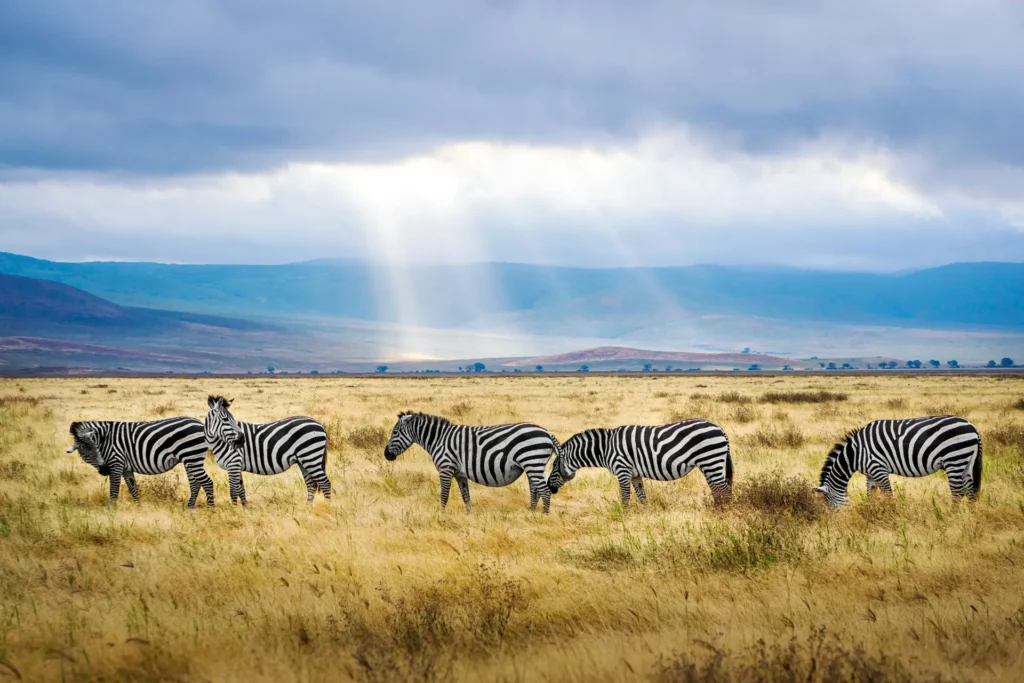
Tanzania shines now, especially the Southern Serengeti and Ndutu area, where huge herds gather for calving season. You’ll often see lions and cheetahs nearby because food is close.
Southern Africa (Botswana and parts of South Africa) is greener now. The views can look amazing, but animals can hide more in tall grass.
Uganda and Rwanda can also work well for gorillas around this period, since it fits one of the drier windows.
Best for: Tanzania calving season, strong photos, fewer crowds than mid-year
February
February is one of the most exciting months for Tanzania safaris.
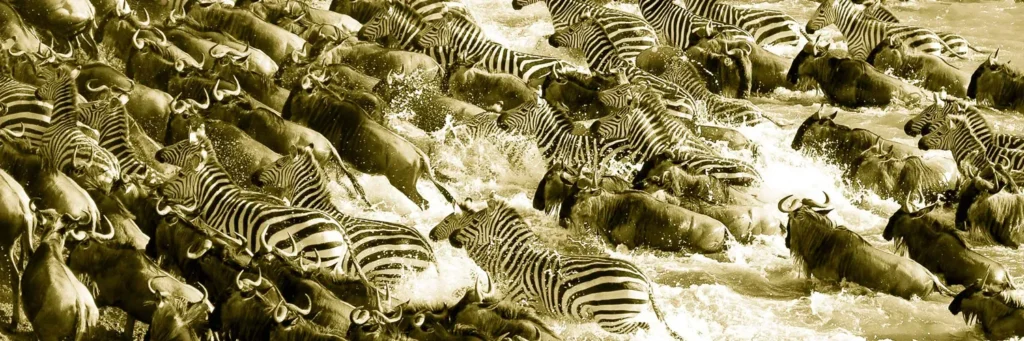
The Serengeti calving season stays strong, and this is where you can see predator action often. Calves are being born, predators hang around, and the plains feel full of movement.
If Victoria Falls is on your list, this is when the water starts pushing hard.
Best for: Serengeti calving, predator action, big waterfall views
March
March depends on your style.
East Africa can start getting wetter. Wildlife is still there, but spotting can take more patience.
Victoria Falls stays strong around this time.
Best for: green views, big waterfalls, quieter parks
April
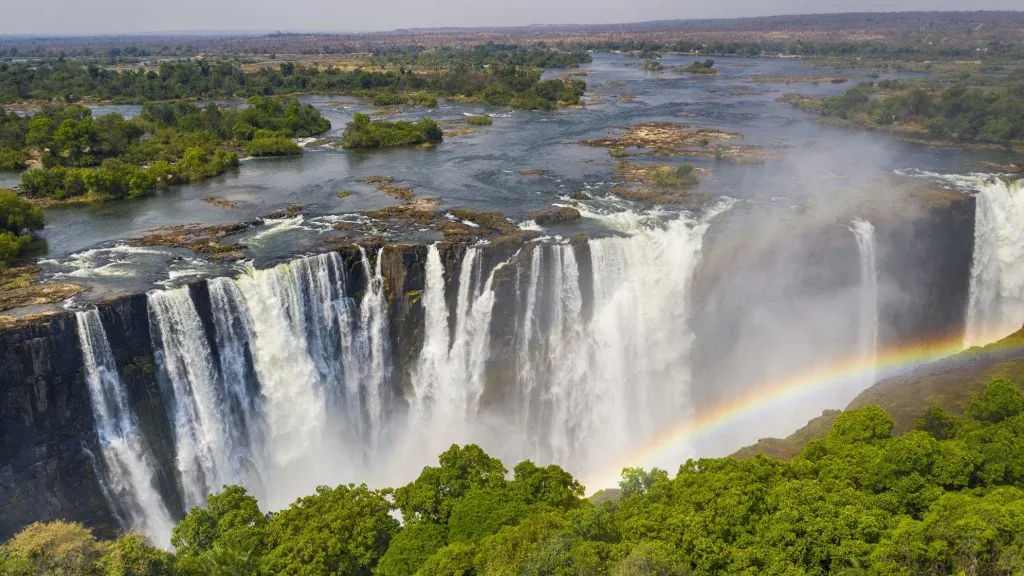
April is often one of the wettest months in parts of East Africa. Some lodges close for a short break because conditions get tricky.
April works best if your goal is lower prices, fewer tourists, and lush scenery.
Victoria Falls often stays strong too.
Best for: budget trips, green season landscapes, strong Victoria Falls
May
May starts turning the page toward the classic safari months.
Botswana begins drying out. Zambia and Zimbabwe also start improving for safari travel.
The Okavango Delta starts getting interesting around late May as floodwaters arrive.
Best for: early dry season trips, improving wildlife viewing, good value
June
June is where safari season gets serious across a lot of Africa.
Botswana’s Okavango Delta becomes a top pick now. Water levels rise while land around it dries out, so animals move toward the delta.
This month also starts the build-up toward Great Migration river crossing season in Tanzania and Kenya.
Best for: Okavango Delta safaris, strong wildlife viewing, cooler weather
July
July is one of the safest answers to “best time to go on an African safari.”
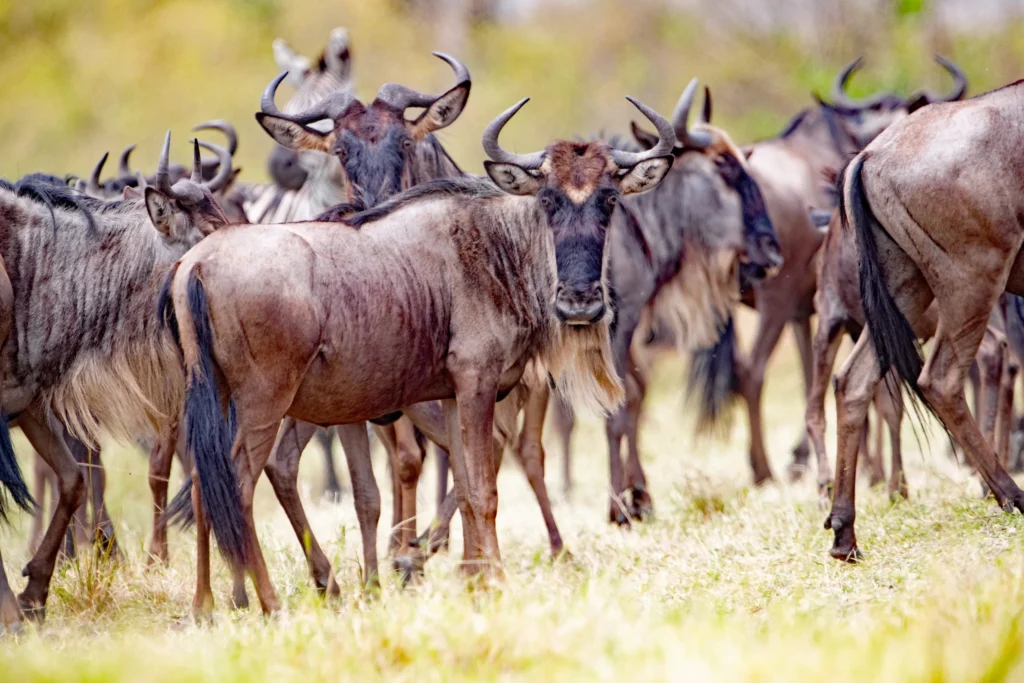
Kenya and Tanzania take center stage because river crossings can start around this period. The Masai Mara begins filling up with herds.
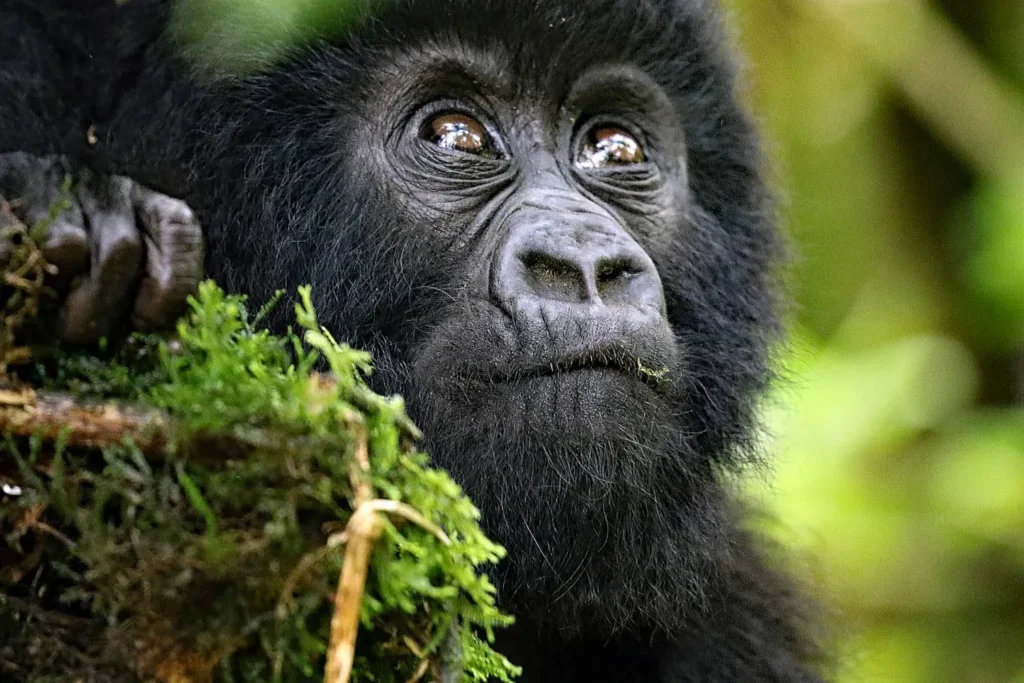
Gorilla trekking in Uganda also becomes easier in the drier months around July.
Best for: Masai Mara + Serengeti, migration action, gorillas
August
August is peak safari season in many places.
In Kenya, the Masai Mara often hits its most famous moments around late July, August, and into September.
Botswana stays excellent too. Floodwaters in the Okavango Delta often peak around July and August.
Best for: migration river crossings, Okavango Delta peak season
September
September is a smart safari month if you want strong wildlife viewing with slightly fewer crowds than August.
Southern Africa is deep into dry season now, so wildlife viewing gets easier.
Victoria Falls starts dropping in water levels, which can mean clearer views of the rock face and better adventure conditions.
Best for: strong wildlife viewing in Southern Africa, fewer crowds than August
October
October can be hot, but it can also be amazing.
It’s late dry season in many Southern African parks, which can mean animals gather tightly around water.
The Masai Mara can still hold migration herds into October.
Victoria Falls is often at its lowest around this time, which is why some people love it for clear views and activities.
Best for: intense wildlife viewing in dry areas, Kenya migration late season, low-water falls views
November
November is a calm month for safari travel.
Crowds drop, prices can soften, and the land starts turning green again in many places.
Migration herds often begin moving back south around late October into November, depending on rainfall.
Best for: quieter safaris, better prices, fresh green scenery
December
December works well if you plan early.
Tanzania becomes popular again because herds return toward the southern plains as fresh grass comes back.
Gorilla trekking picks up again in the drier window from December to February.
Best for: festive trips, Tanzania wildlife build-up, gorillas
Quick picks: best safari months by goal
People ask “best time to go on an African safari” because they want a clear answer. Here are simple picks:
- Best all-round safari months: July to October
- Best river crossing months: July to October (often strongest August to September)
- Best baby animal months: January to February
- Best Okavango Delta months: June to October, with peak water around July and August
- Best gorilla trekking months: July to October and December to February
- Best Victoria Falls full water months: February to May
Simple safari planning tips
Book timing
If you’re traveling in July, August, or December, book early. Popular camps near river crossing areas sell out fast.
What to pack
- Light clothes for daytime
- A warm layer for early mornings
- Comfortable shoes
- A small day bag
- Sun protection (hat, sunscreen)
- Bug spray
How many days is enough?
A good first safari is usually 5 to 8 days in one country. If you try to squeeze too many countries into one short trip, you’ll spend more time moving than watching animals.
The simple answer
If you want the safest bet, the best time to go on an African safari is July to October.
If you want baby animals and big cat action, pick January or February in Tanzania.
If you want water safaris and high wildlife density, pick June to August in Botswana’s Okavango Delta.