
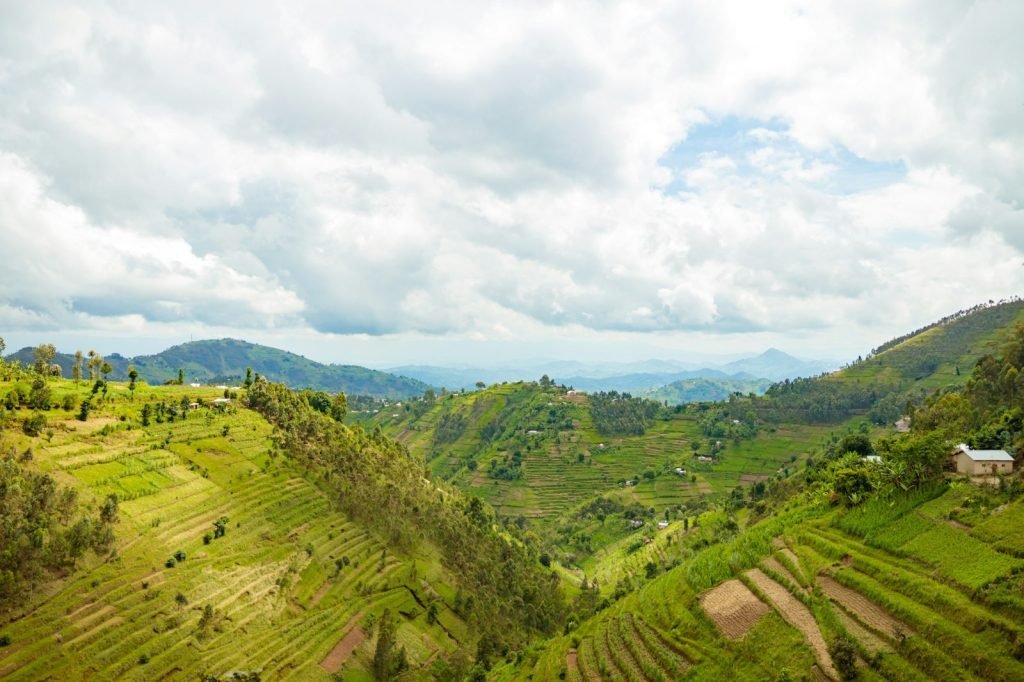
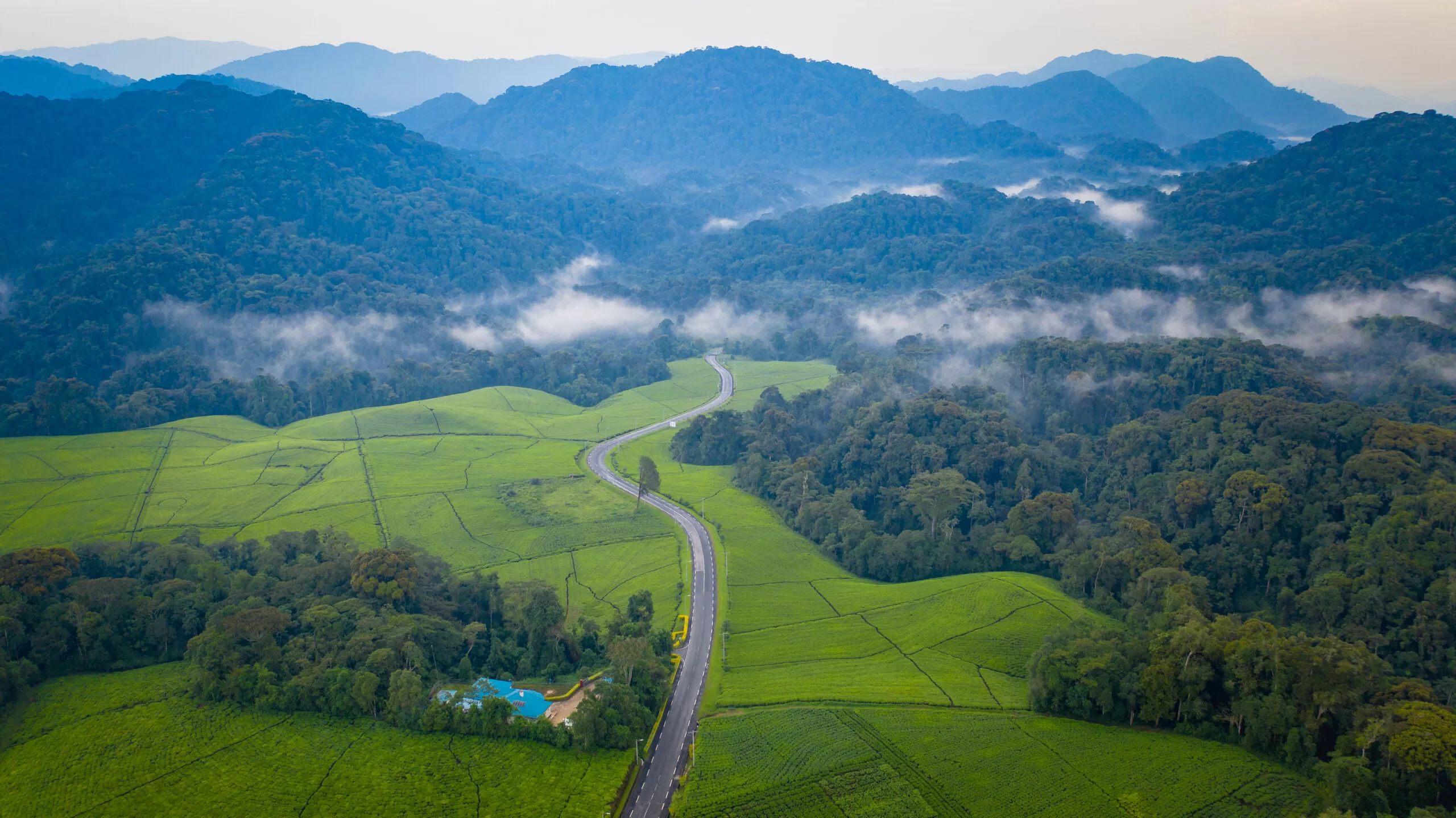
They call it "Le Pays des Mille Collines"—the Land of a Thousand Hills. When you drive through Rwanda, you understand why. The green hills roll on endlessly, covered in tea plantations and terraced farms. It is one of the most beautiful and tidy countries in Africa.
Rwanda has transformed itself. Kigali, the capital, is safe, modern, and spotless. Plastic bags are banned, and the streets are clean. But the real magic lies in the mist-covered mountains of the north, where gentle giants still live in freedom.
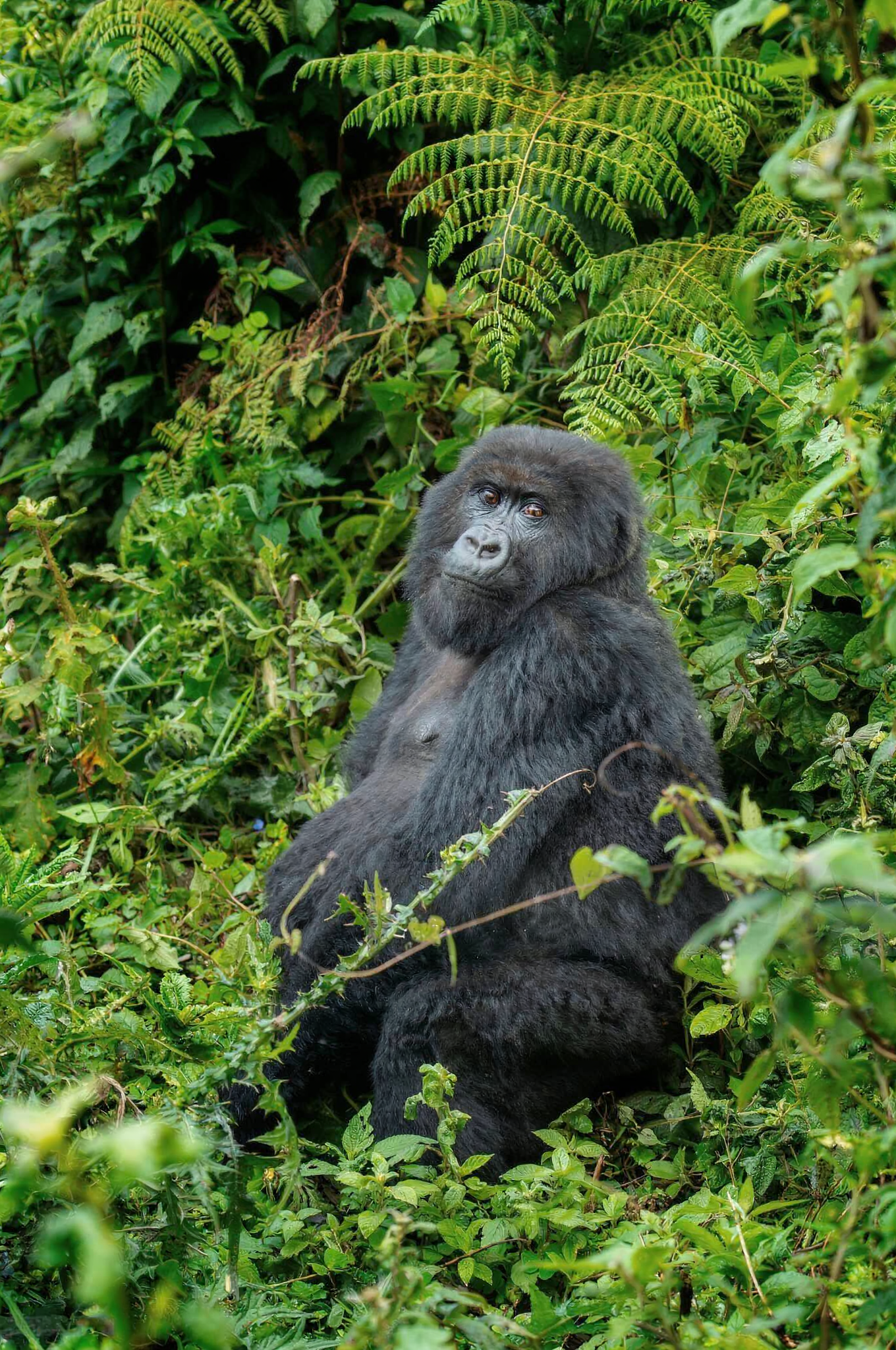

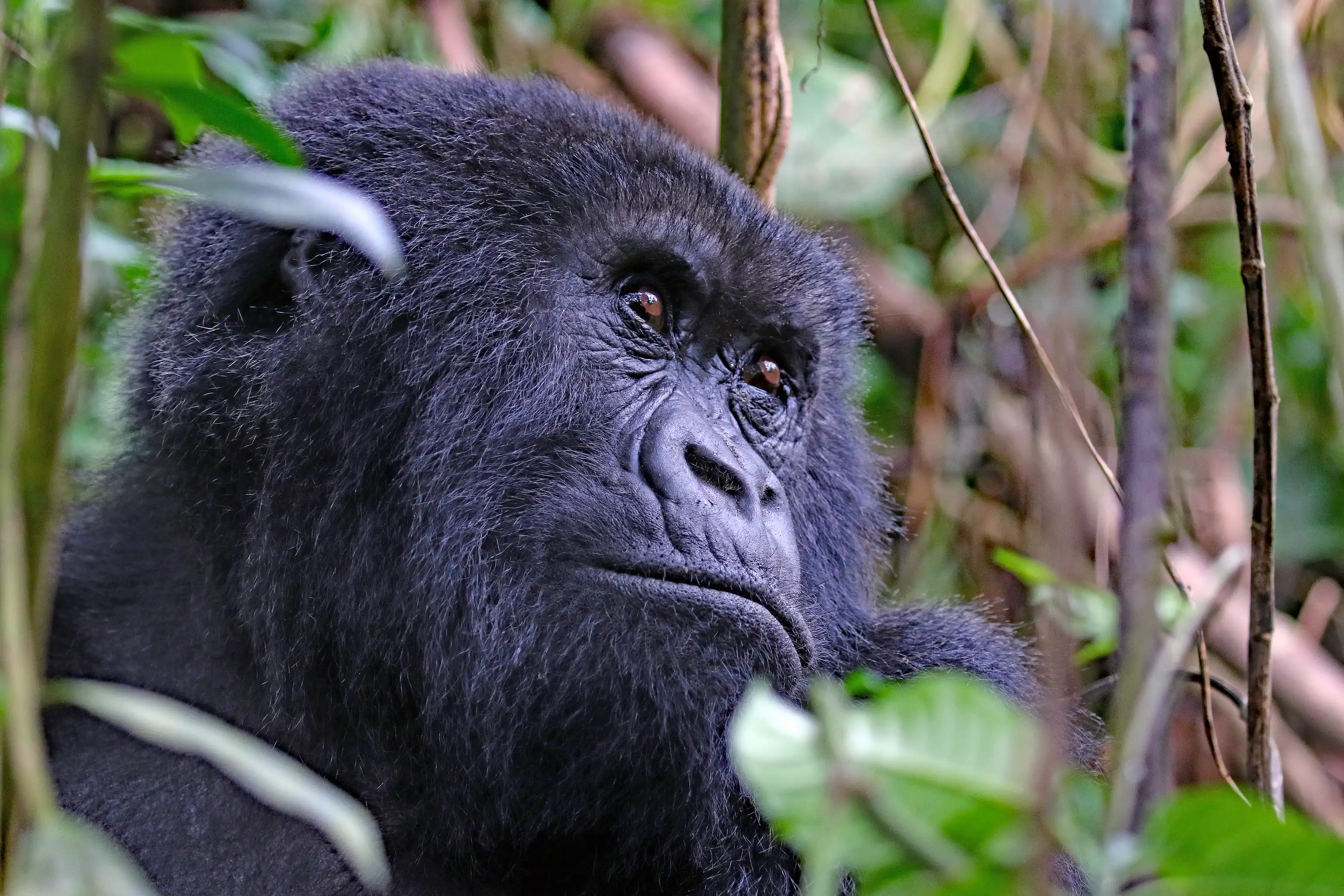
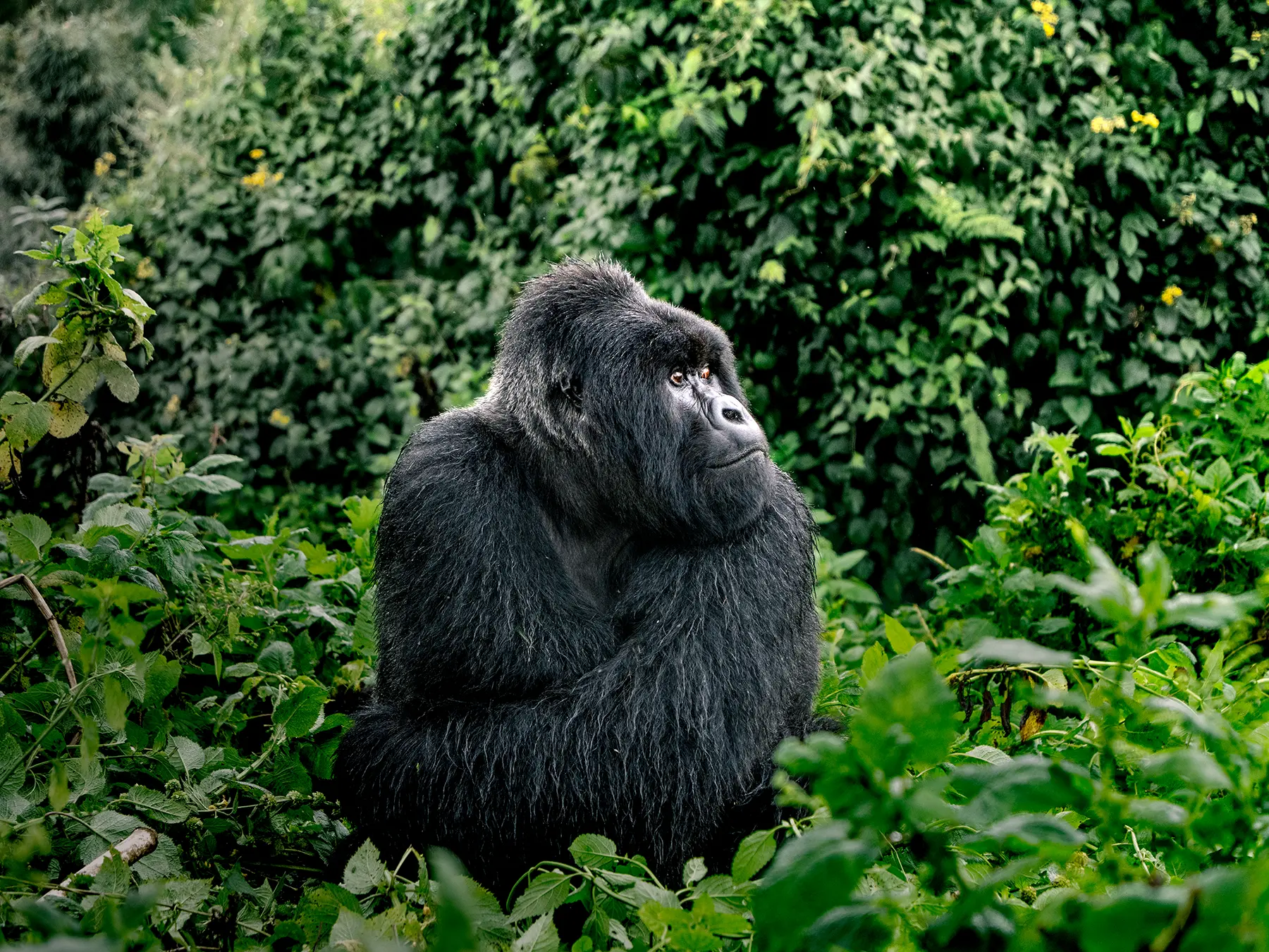
This is the headline act. Dian Fossey made these mountains famous, and her grave is still there between the peaks of Karisimbi and Bisoke. The park is part of the Virunga Massif, a chain of volcanoes that holds the world's most important population of mountain gorillas.
The trek is not always easy. You grapple with vines and stinging nettles on steep mud paths. But the moment the guide signals for silence, everything changes. Seeing a 200kg silverback sitting calmly a few meters away is humbling. It is an hour that stays with you forever.

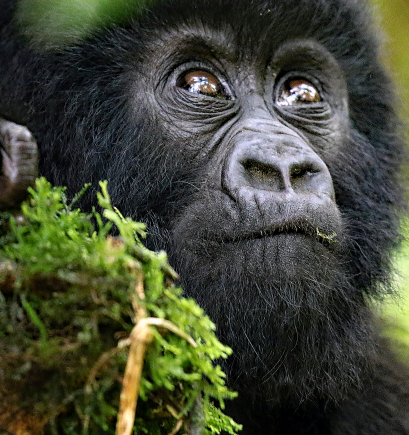
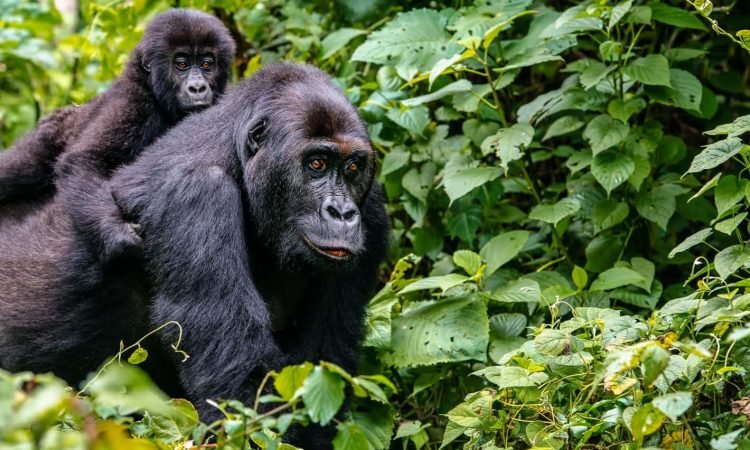
In the southwest corner of the country, Nyungwe protects one of the oldest rainforests in Africa. It survived the last ice age, which means its biodiversity is incredible.
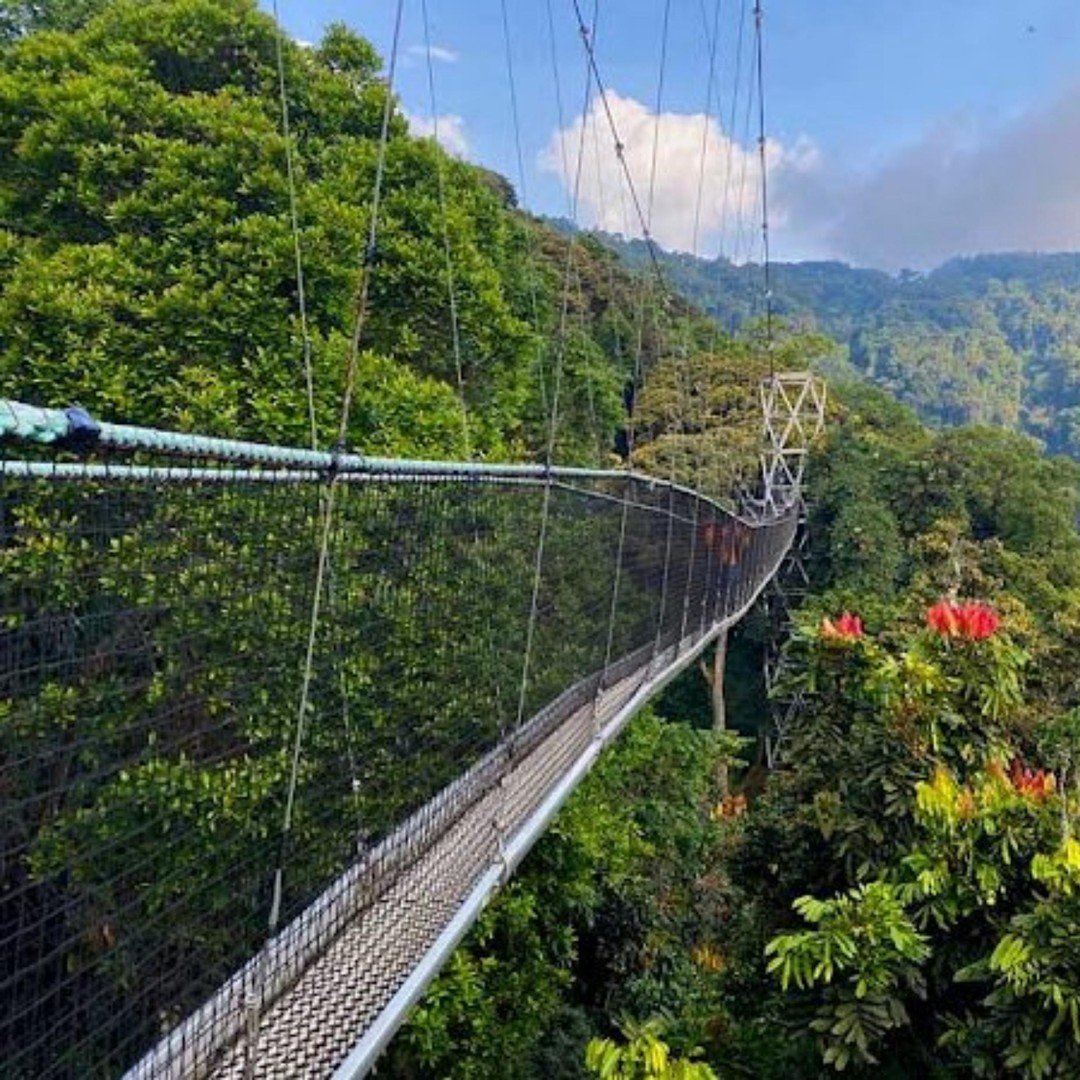
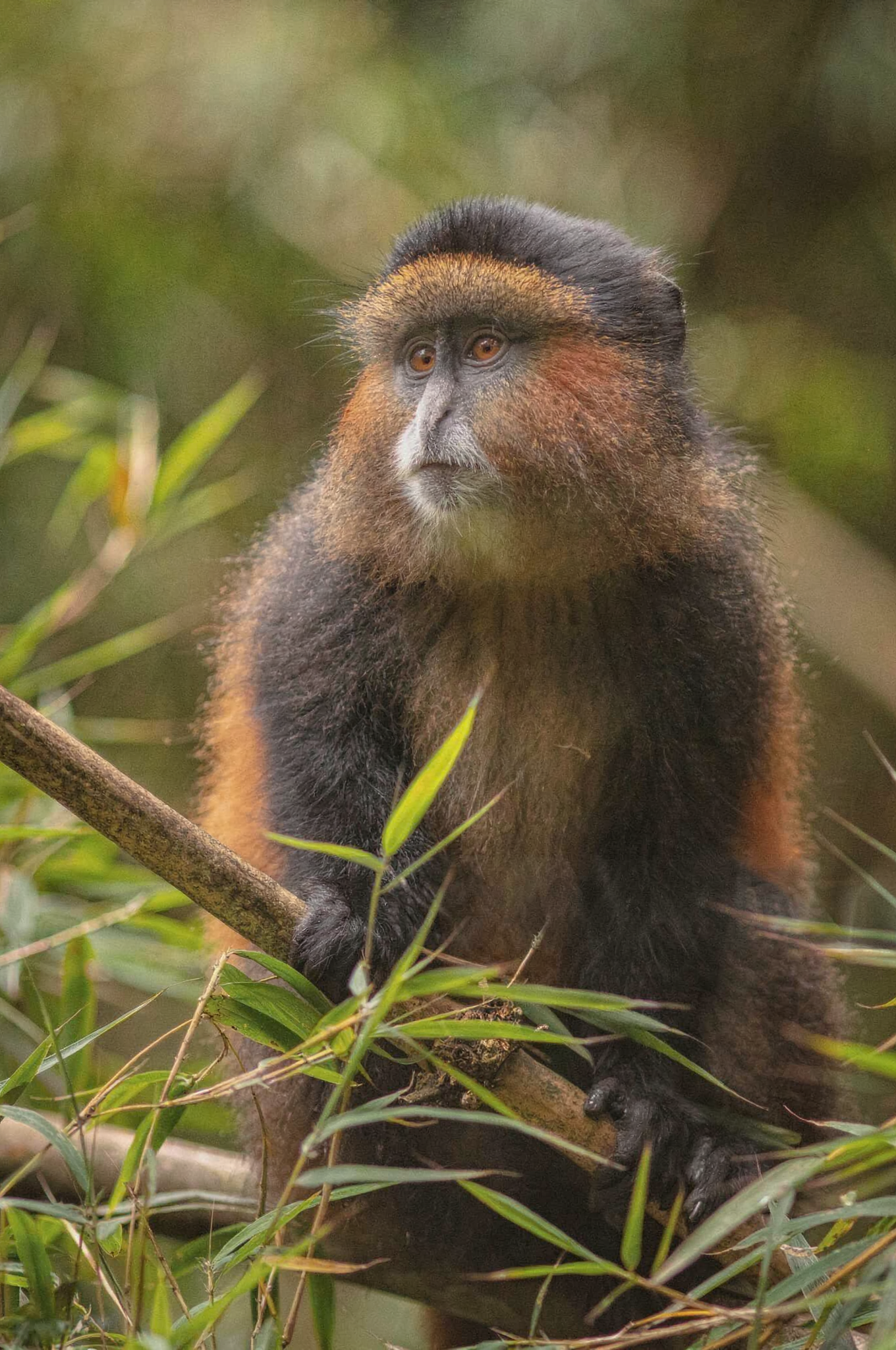
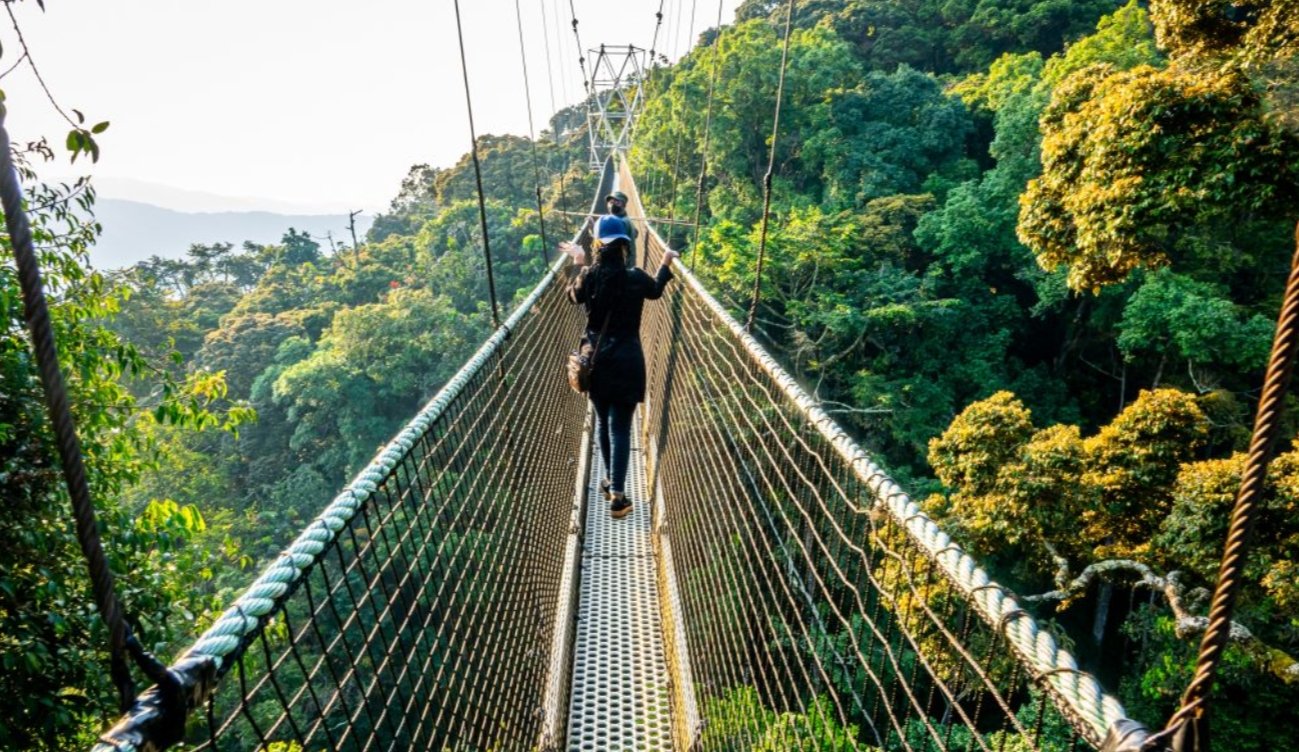
This is primate country. You can track chimpanzees here, dashing through the trees, or look for the handsome L'Hoest's monkey and the Angolan colobus. For a different view, walk the Canopy Walkway—it hangs 60 meters above the forest floor, putting you eye-to-eye with eagles and butterflies.
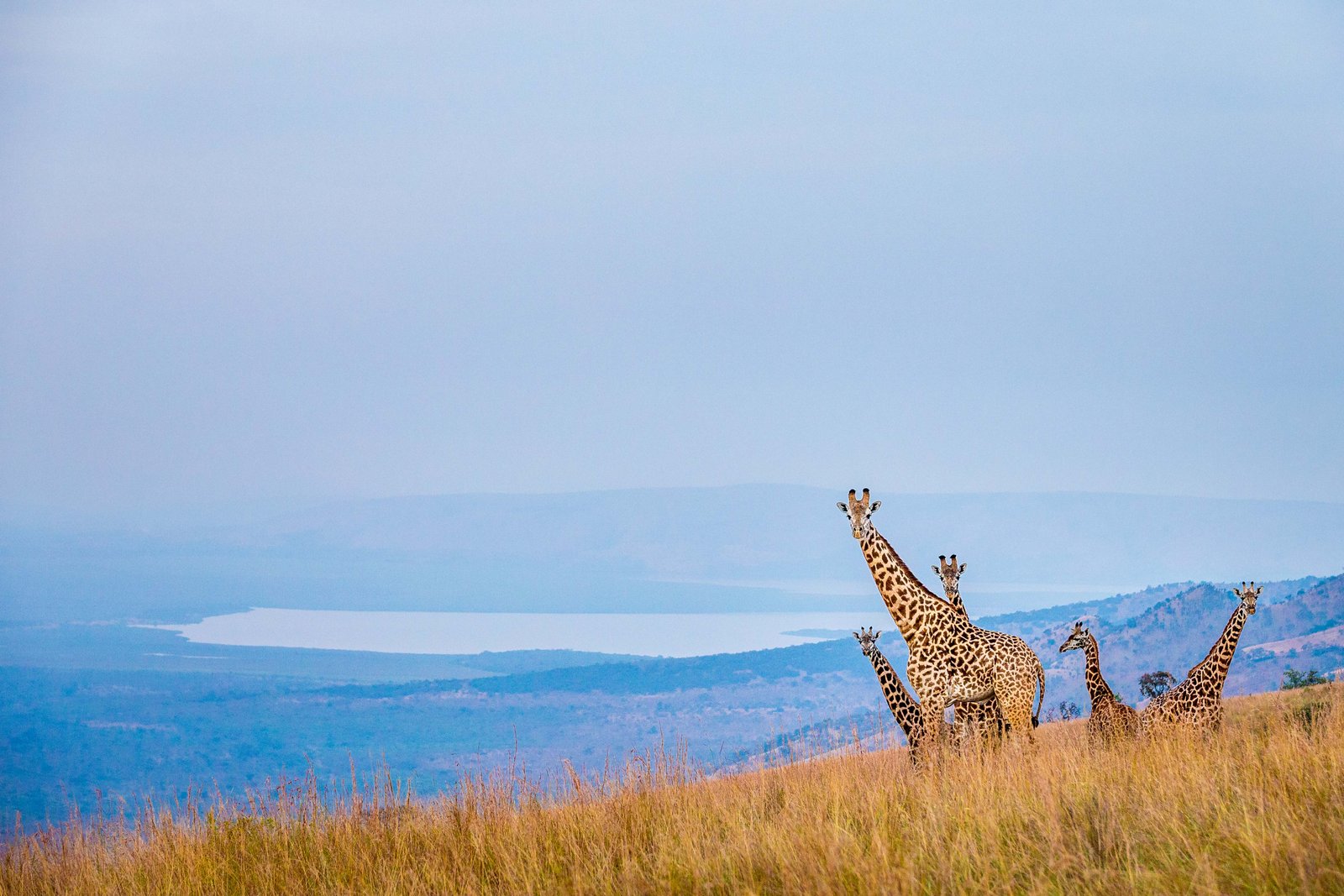
For a long time, Rwanda was only about primates. Akagera has changed that. In the east, along the border with Tanzania, this park is a success story of conservation. Lions and rhinos have been reintroduced, making Rwanda a true Big Five destination again.
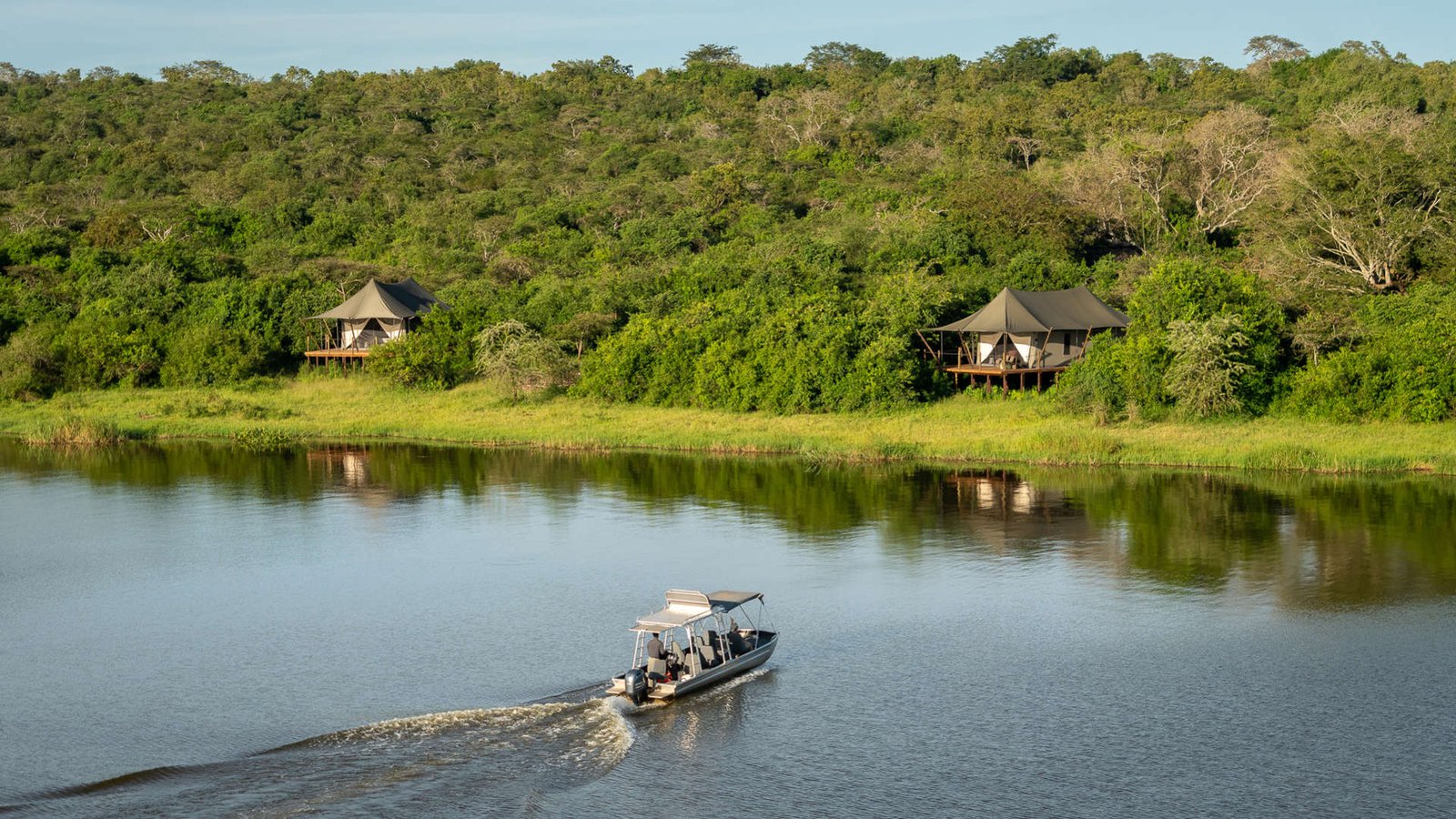
The landscape here is different: savannah, lakes, and papyrus swamps. Take a boat onto Lake Ihema to see hippos and crocodiles, or drive the plains for elephants, giraffes, and zebras. It is quieter than the parks in Kenya or Tanzania, which makes the sightings feel private.
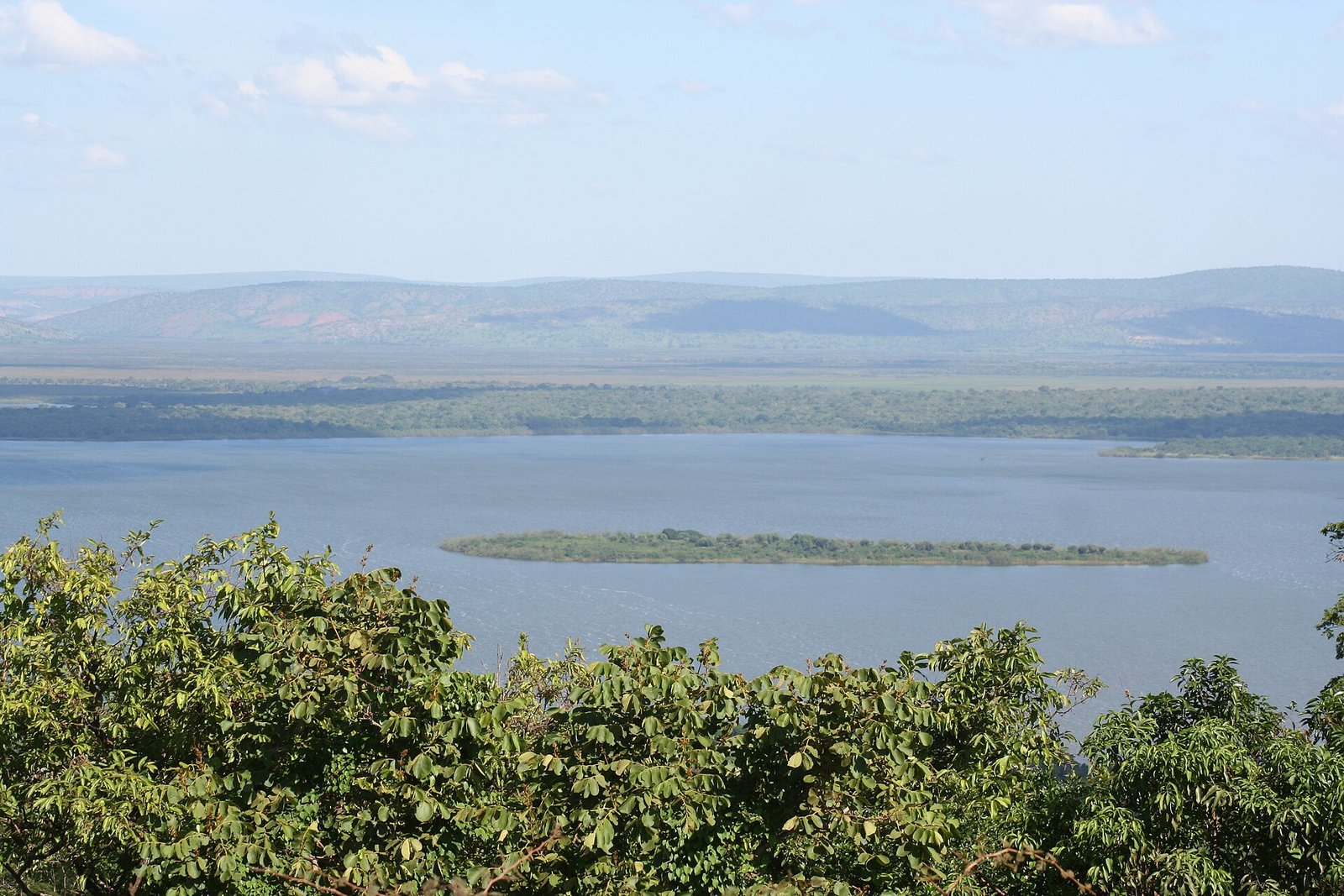
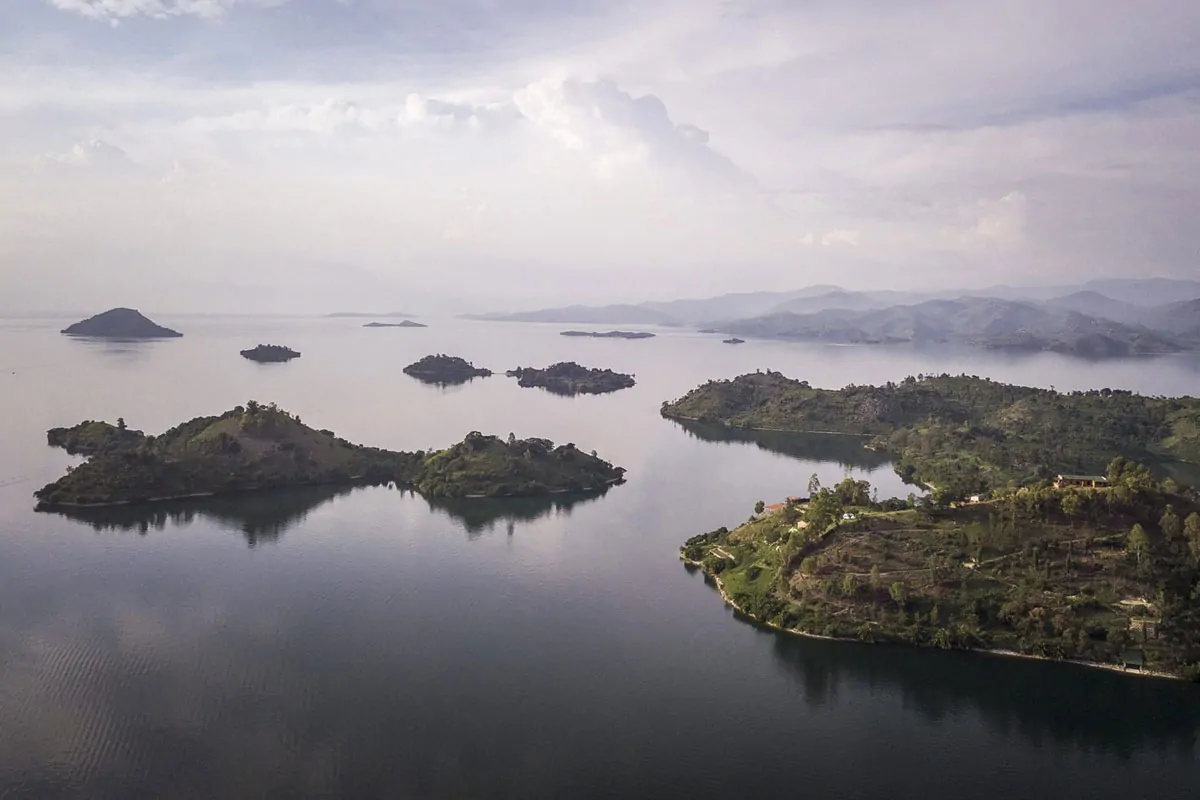
This great lake forms the western border of the country. It is free of hippos and crocodiles, which makes it safe for swimming. Towns like Gisenyi and Kibuye offer a place to relax after a hard trek.
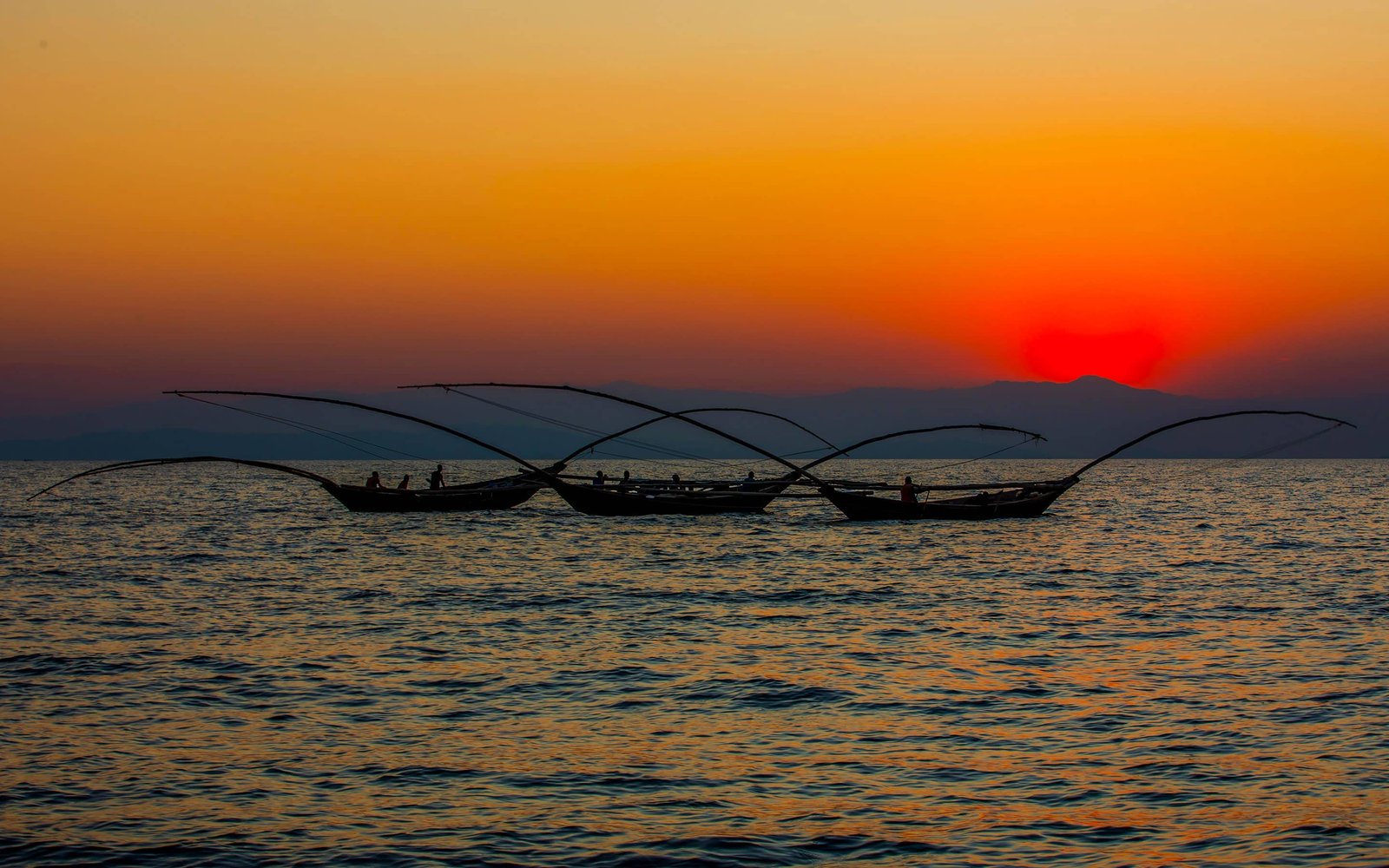
You can kayak on the calm water, visiting islands and coffee farms, or act like a local and just sit on the shore with a cold drink, watching the fishermen head out in their three-hulled boats as the sun sets behind the Congo mountains.

You cannot visit Rwanda without acknowledging its history. The 1994 genocide against the Tutsi is a shadow that the country has stepped out of with dignity. The Kigali Genocide Memorial is a hard but necessary visit. It treats the past with respect and focuses on the commitment to "Never Again."
Today, Rwandans are united. The energy in the country is about the future. You feel it in the art galleries, the coffee shops, and the way people welcome you. It is a place of hope.
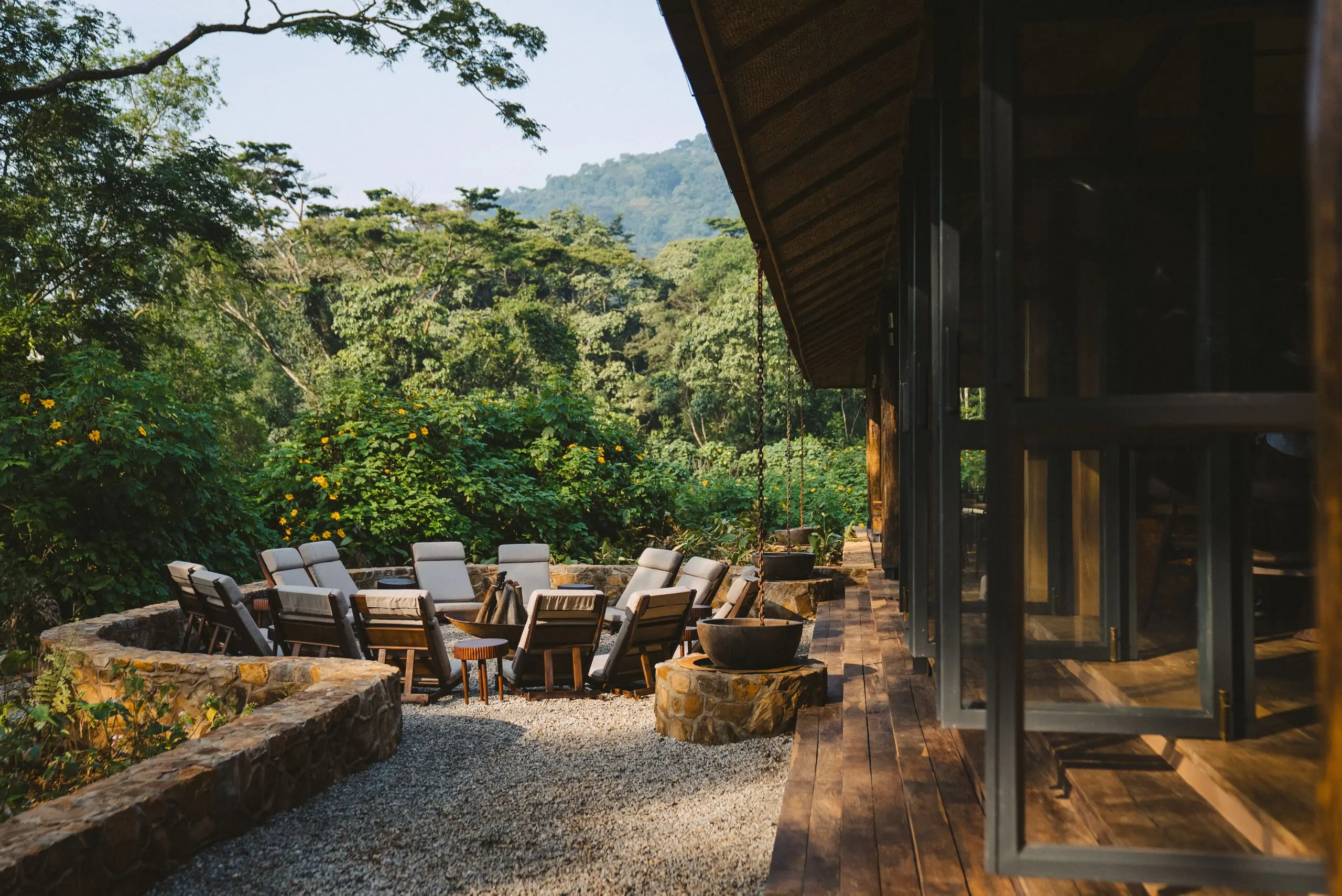
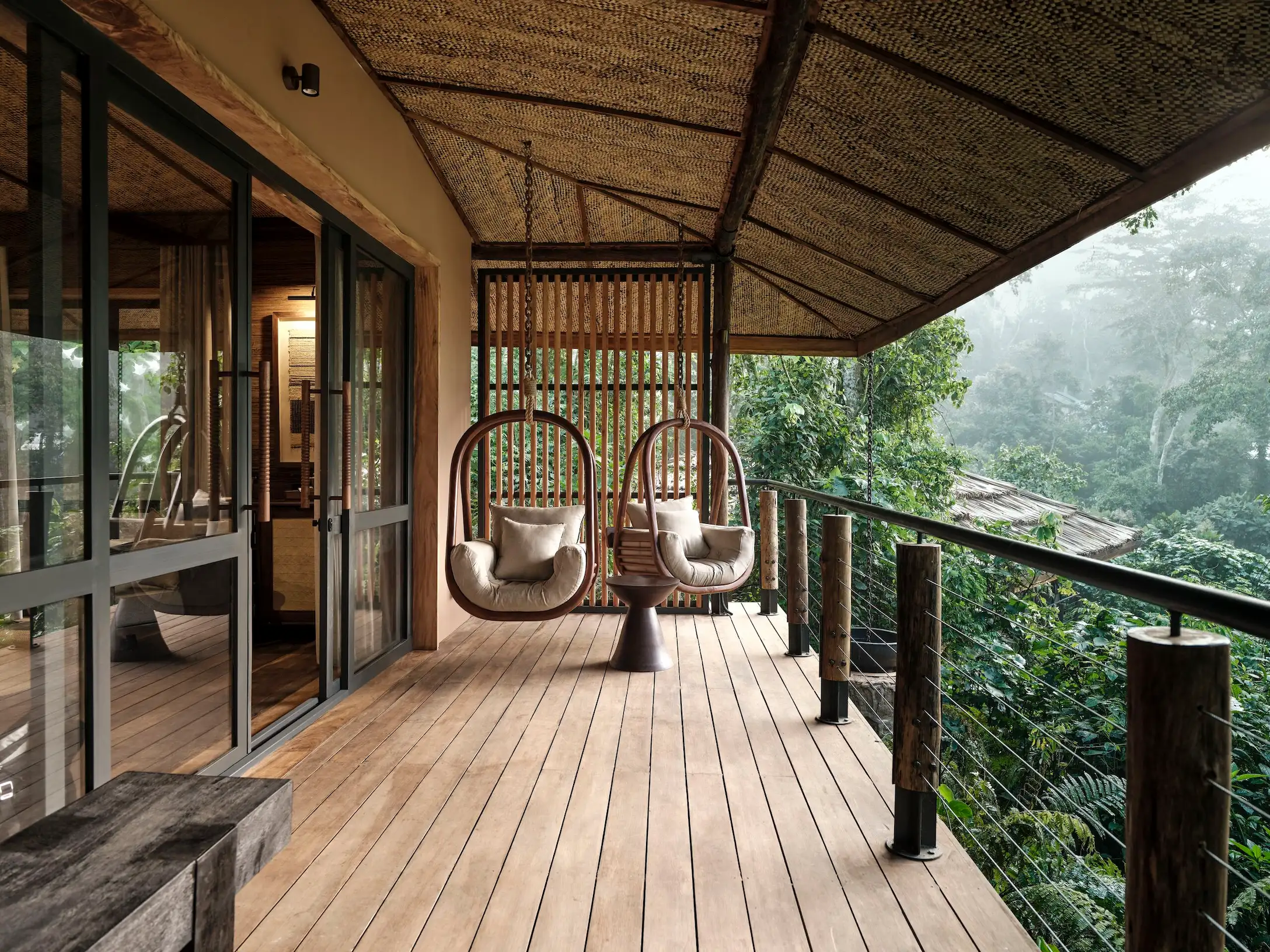
Rwanda is small, so you can see a lot in a short time. Roads are excellent, making travel easy. A classic itinerary starts in Kigali, heads to Nyungwe for chimps, relaxes at Lake Kivu, and ends with the gorillas in Volcanoes National Park.
If you have time, adding Akagera gives you the full savannah experience. Due to the high demand and strict limits on gorilla permits, we recommend booking months in advance.
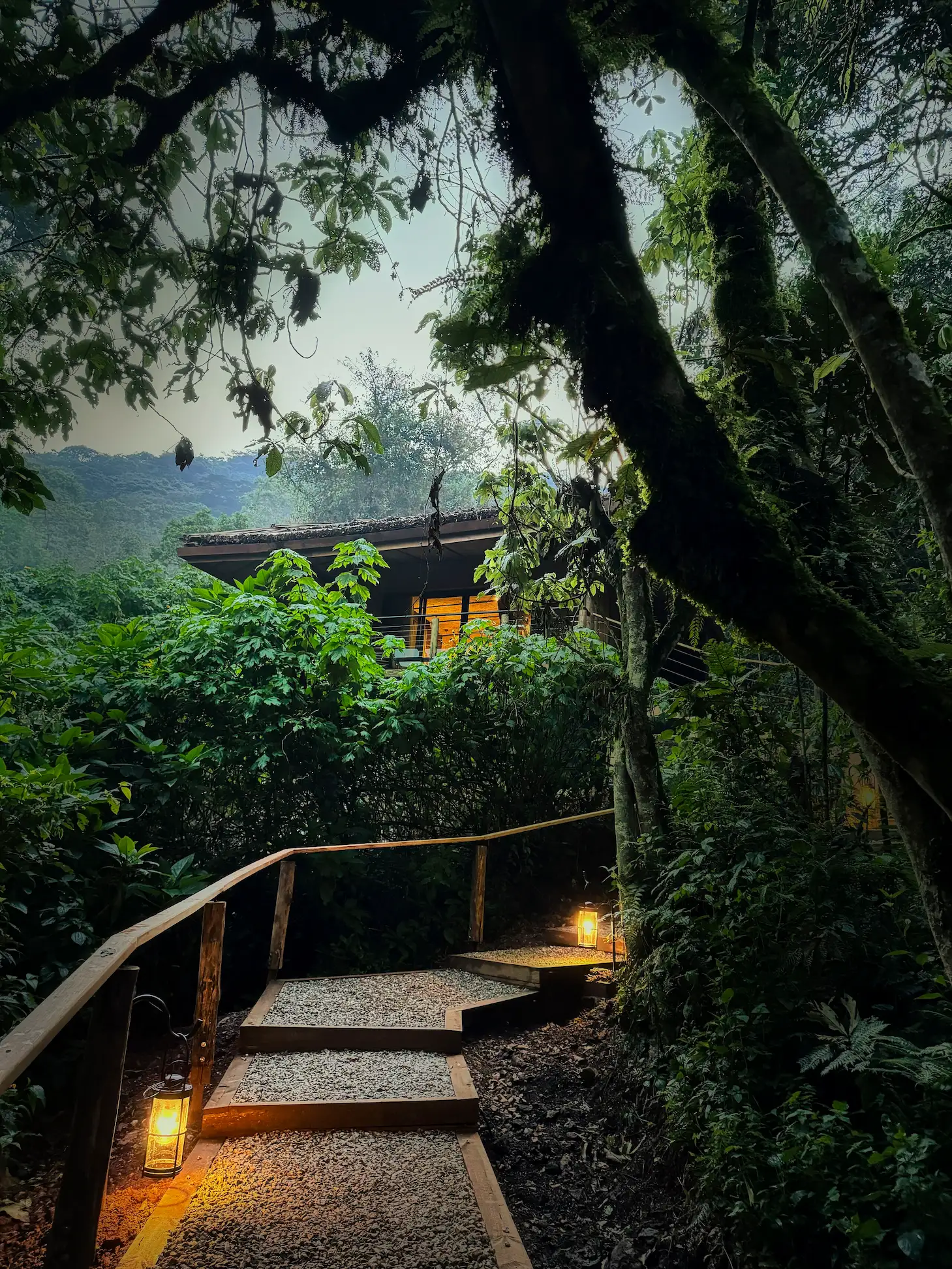
One unforgettable encounter, built the way you want it — hover the card below to see what makes it unique.
Choose the travel style that fits your pace, then explore matching trips.
Jump to the key park mentioned on this destination and explore the matching trip idea.
Gorilla trekking in the Virunga Mountains.
Let us craft your perfect African adventure. Share your travel dreams and we'll create a bespoke itinerary just for you.
Reach out to us directly or fill out the form


