
Introduction
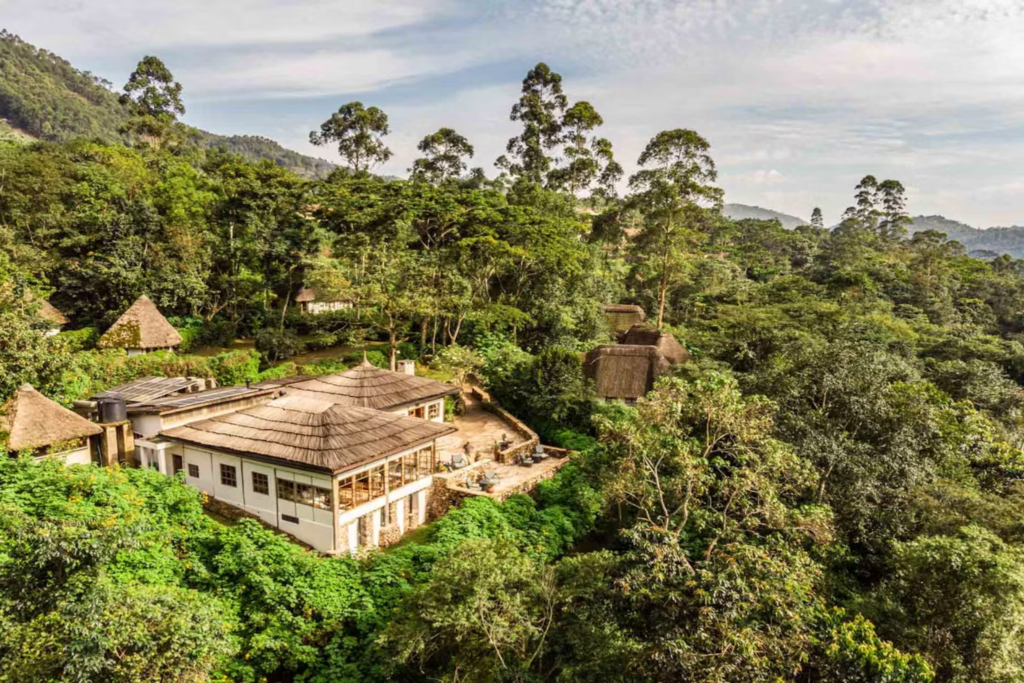
The Maasai Mara is more than just a safari destination. It is a living, breathing ecosystem where ancient wildlife routes, dramatic landscapes, and deep-rooted human culture come together in one of the most spectacular natural theatres on Earth. Located in southwestern Kenya along the border with Tanzania, the Maasai Mara National Reserve is world-famous for its abundance of wildlife, sweeping savannahs, and the legendary Great Migration.
For many travelers, a visit to the Maasai Mara is a once-in-a-lifetime experience. For Kenyans, it is a national treasure and a symbol of the country’s natural heritage.
Location and Geography
The Maasai Mara lies within Narok County and covers approximately 1,510 square kilometers. It forms the northern extension of Tanzania’s Serengeti ecosystem, with no physical barriers separating the two. This open landscape allows wildlife to move freely across borders, following seasonal rains and fresh grazing grounds.
The reserve is characterized by rolling grasslands, scattered acacia trees, rocky escarpments, and winding rivers such as the Mara and Talek Rivers. These rivers are lifelines for wildlife and play a crucial role during the dry season, especially during the Great Migration.
Wildlife and Biodiversity
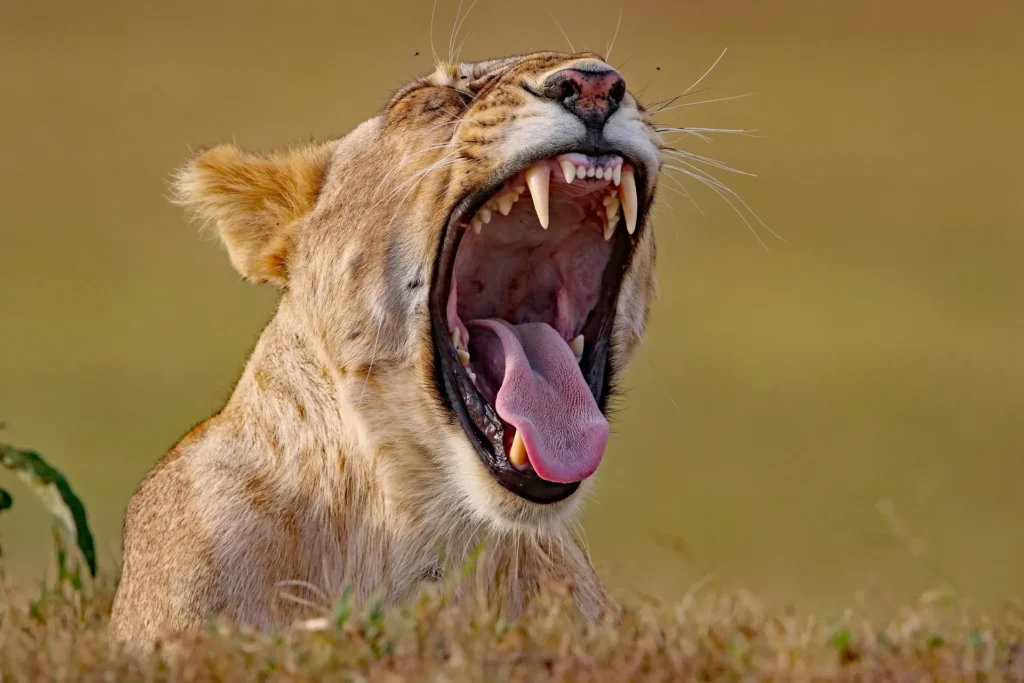
The Maasai Mara is renowned for its extraordinary concentration of wildlife. It is home to the famous Big Five: lions, leopards, elephants, buffaloes, and rhinos. Lions are particularly abundant here, and the reserve is considered one of the best places in Africa to observe large prides in their natural habitat.
In addition to the Big Five, the Mara hosts cheetahs, hyenas, giraffes, zebras, hippos, crocodiles, and over 450 recorded bird species. From majestic martial eagles to colorful lilac-breasted rollers, birdlife is a major attraction for enthusiasts and photographers alike.
The diversity of species is supported by the Mara’s healthy grasslands and relatively intact ecosystem, making it one of the most productive wildlife areas in Africa.
The Great Migration
The Great Migration is the Maasai Mara’s most celebrated natural event. Each year, usually between July and October, over 1.5 million wildebeest, accompanied by hundreds of thousands of zebras and gazelles, cross from the Serengeti into the Maasai Mara in search of fresh pasture.
One of the most dramatic moments of the migration is the crossing of the Mara River. Here, massive herds plunge into crocodile-infested waters, driven by instinct and survival. These crossings are unpredictable, intense, and unforgettable, drawing visitors from around the world.
While the migration is seasonal, the Maasai Mara offers exceptional wildlife viewing year-round, making it a reliable safari destination even outside peak months.
The Maasai People and Culture
The reserve takes its name from the Maasai people, a semi-nomadic pastoralist community who have lived in harmony with this landscape for centuries. The Maasai are known for their distinctive red attire, beadwork, and strong cultural traditions centered around cattle, community, and respect for nature.
Many areas surrounding the reserve are designated as Maasai conservancies. These community-run conservancies balance wildlife conservation with sustainable tourism, providing income, education, and healthcare to local communities while protecting natural habitats.
Visiting a Maasai village offers insight into traditional lifestyles, customs, and values, adding a meaningful cultural dimension to a safari experience.
Conservation and Sustainability
The Maasai Mara faces challenges common to many protected areas, including climate change, human-wildlife conflict, and pressure from population growth. However, conservation initiatives led by the Kenyan government, local communities, and international organizations have made significant progress.
Community conservancies play a key role in protecting wildlife corridors and reducing over-tourism within the main reserve. Sustainable tourism practices, such as limiting vehicle numbers and supporting local businesses, help ensure that the Mara remains viable for future generations.
Conservation in the Maasai Mara is not just about protecting animals; it is about preserving an entire ecosystem and the livelihoods that depend on it.
Best Time to Visit
The best time to visit the Maasai Mara depends on what you want to experience. The dry season from July to October is ideal for witnessing the Great Migration and offers excellent wildlife viewing due to shorter grass and concentrated water sources.
The wet seasons, from November to June, bring lush green landscapes, fewer crowds, and excellent birdwatching. Calving seasons during this time also attract predators, providing dramatic wildlife encounters.
Conclusion
The Maasai Mara is a place where nature unfolds on a grand scale. From thundering wildebeest herds to silent sunrises over golden plains, it offers moments that stay with you long after you leave. Combined with rich Maasai culture and ongoing conservation efforts, the Mara represents the heart of Kenya’s safari experience.
Whether you visit for adventure, photography, or a deeper connection with nature, the Maasai Mara stands as one of the world’s most extraordinary wilderness areas.