Book Your Safari
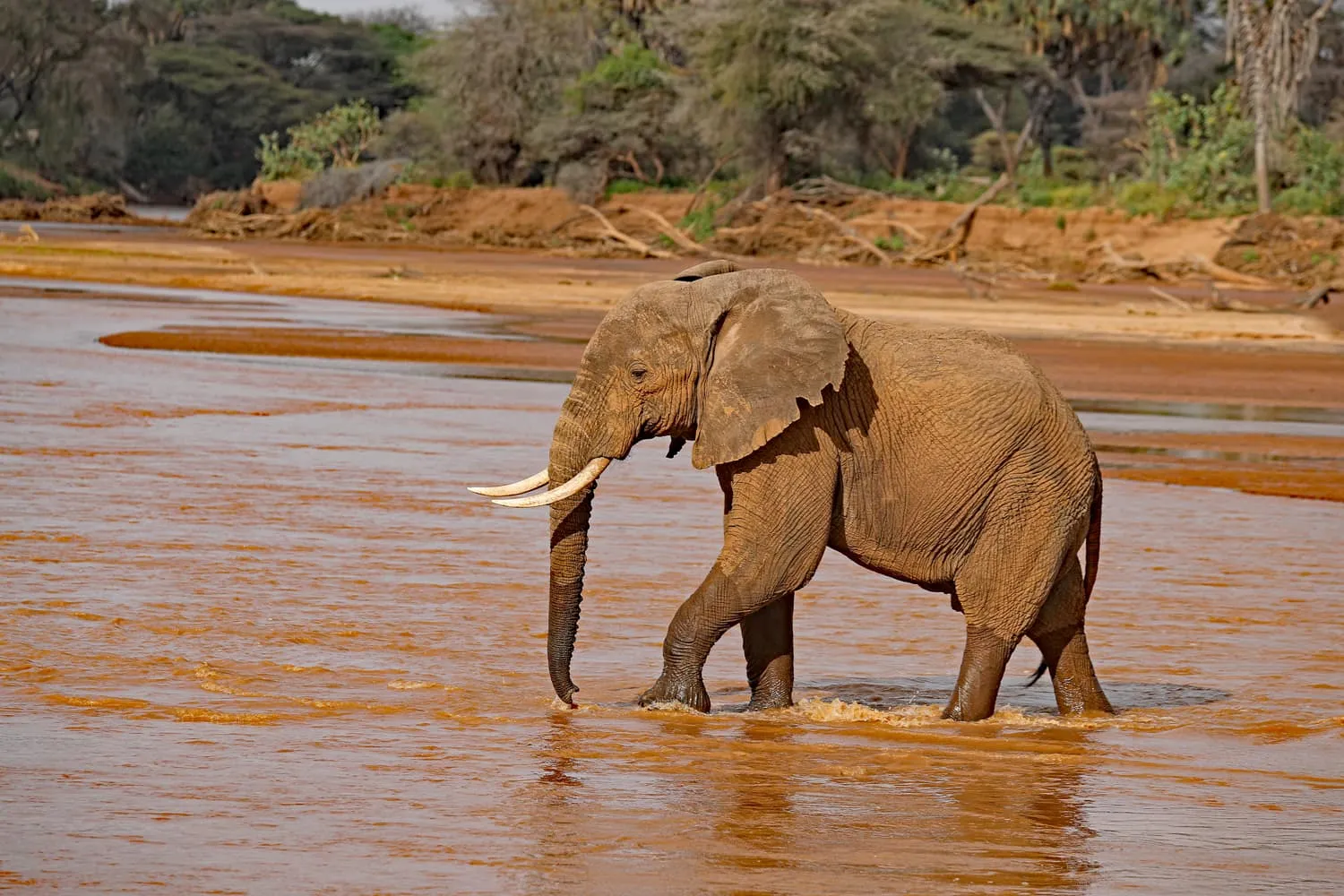
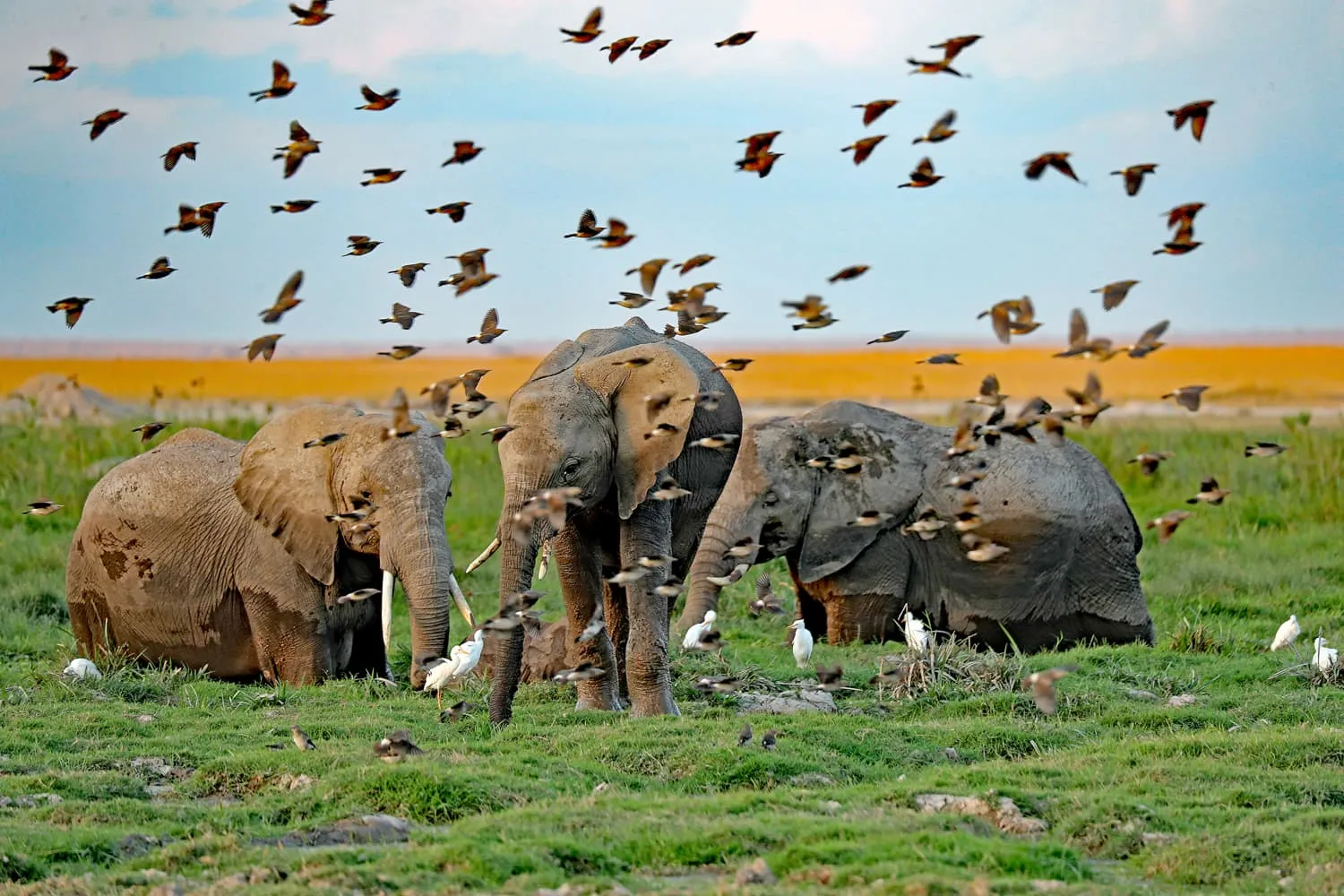
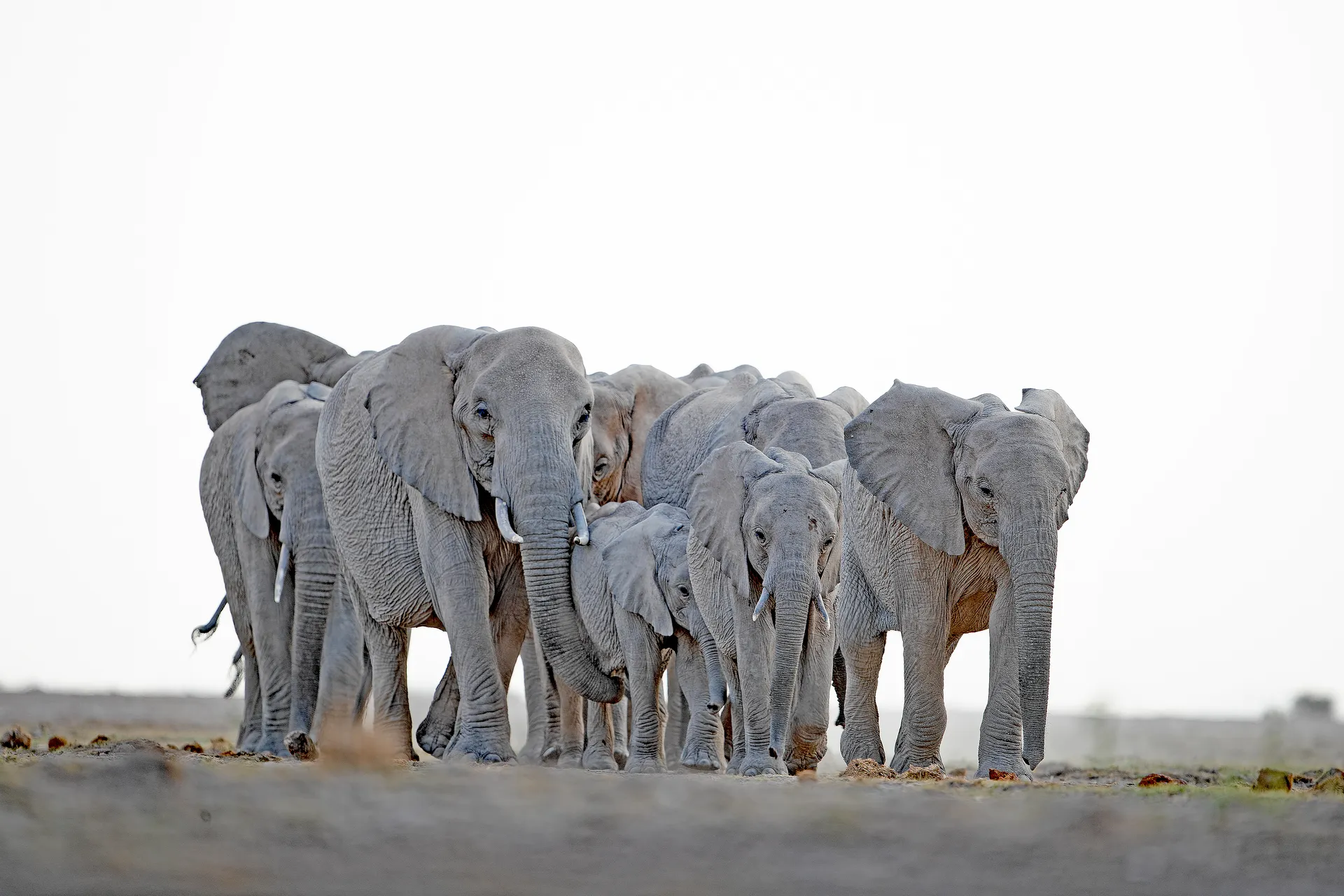
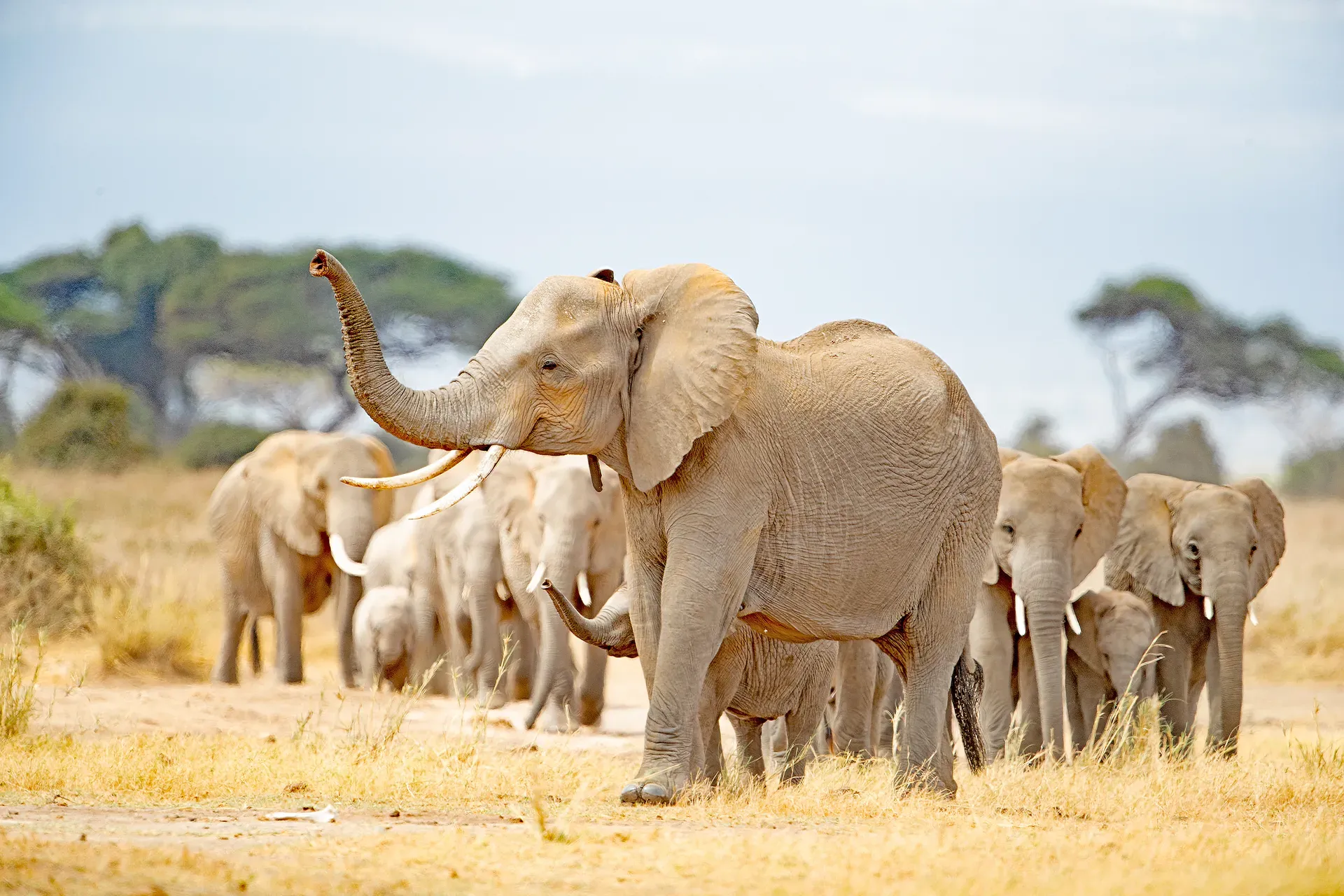
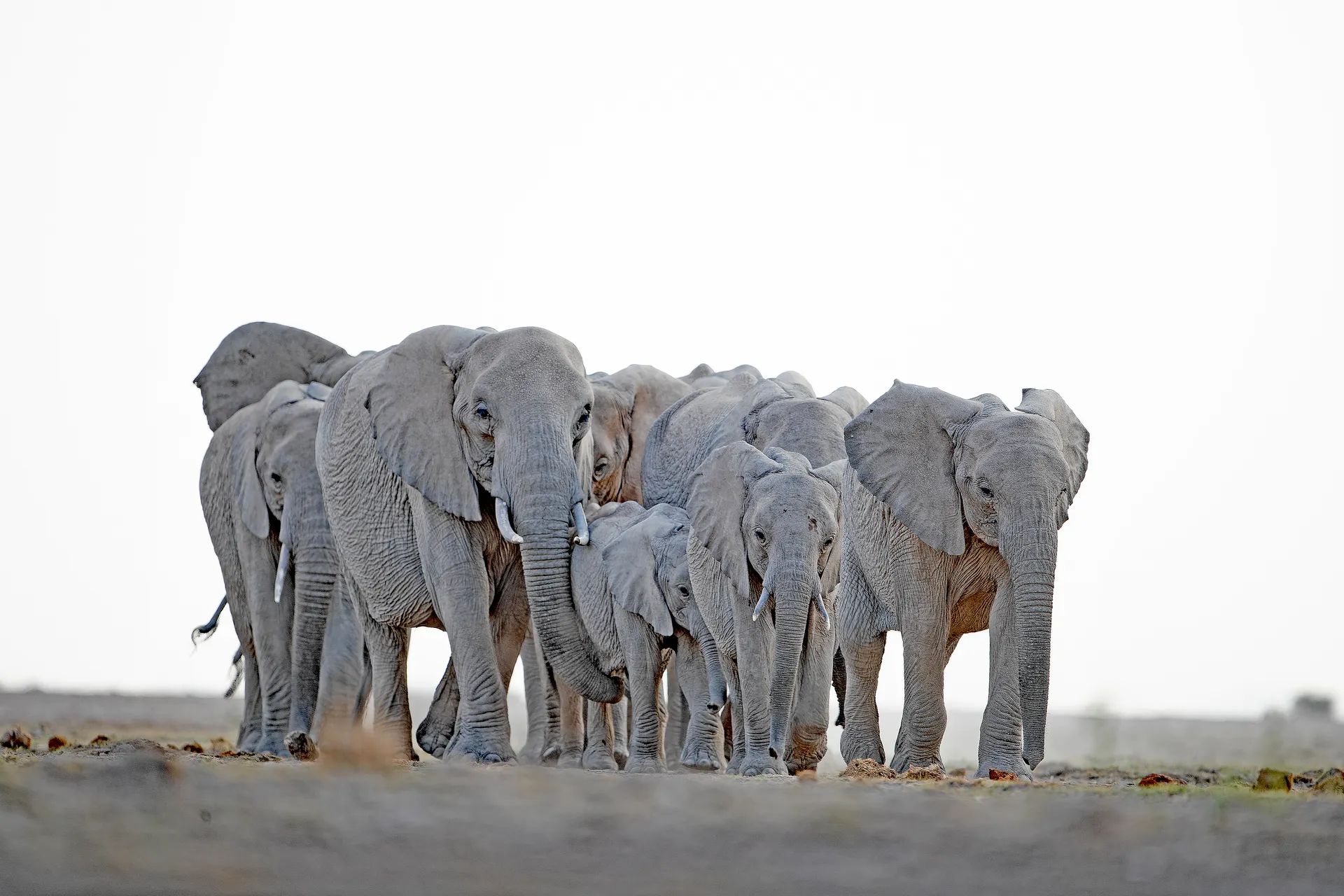
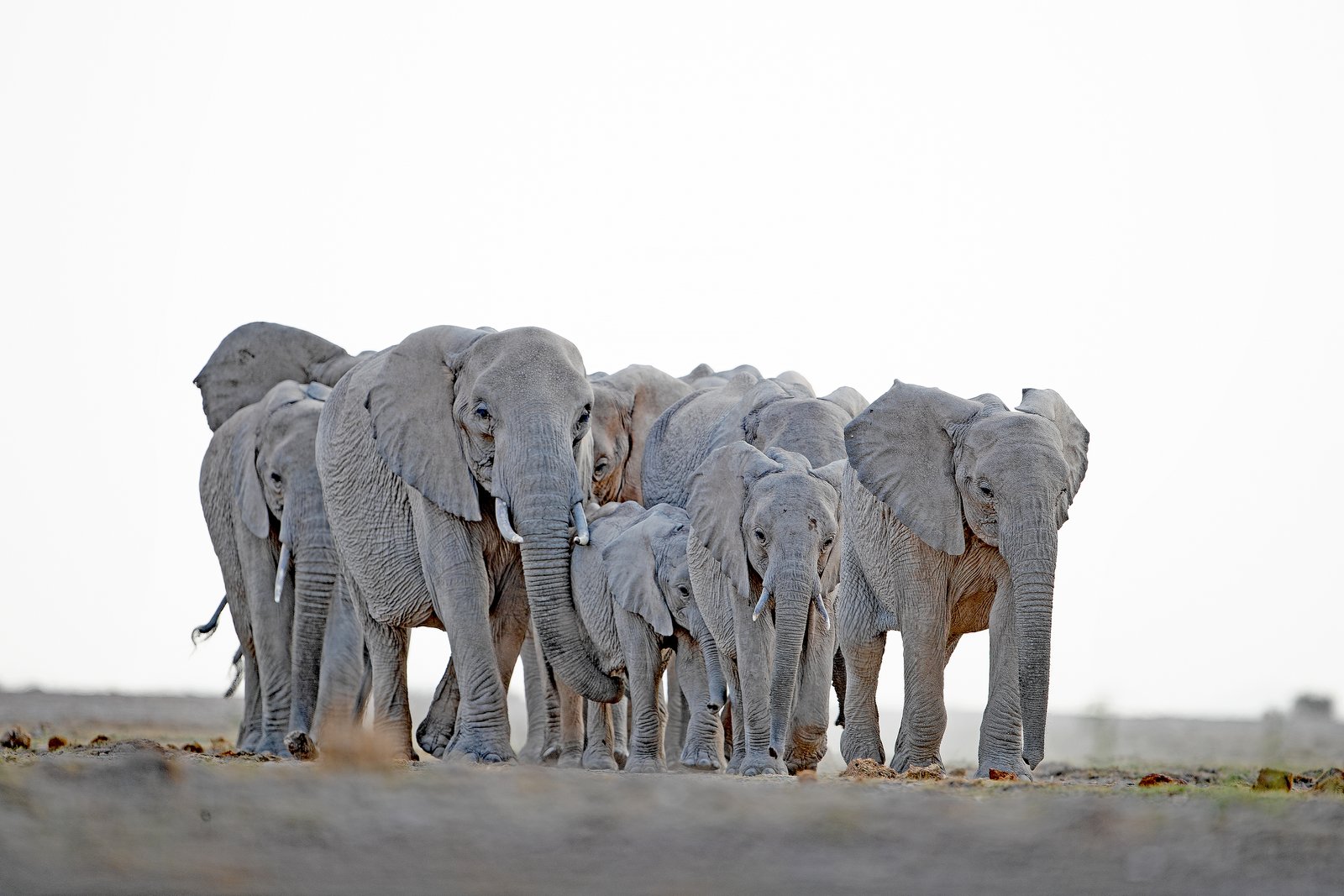
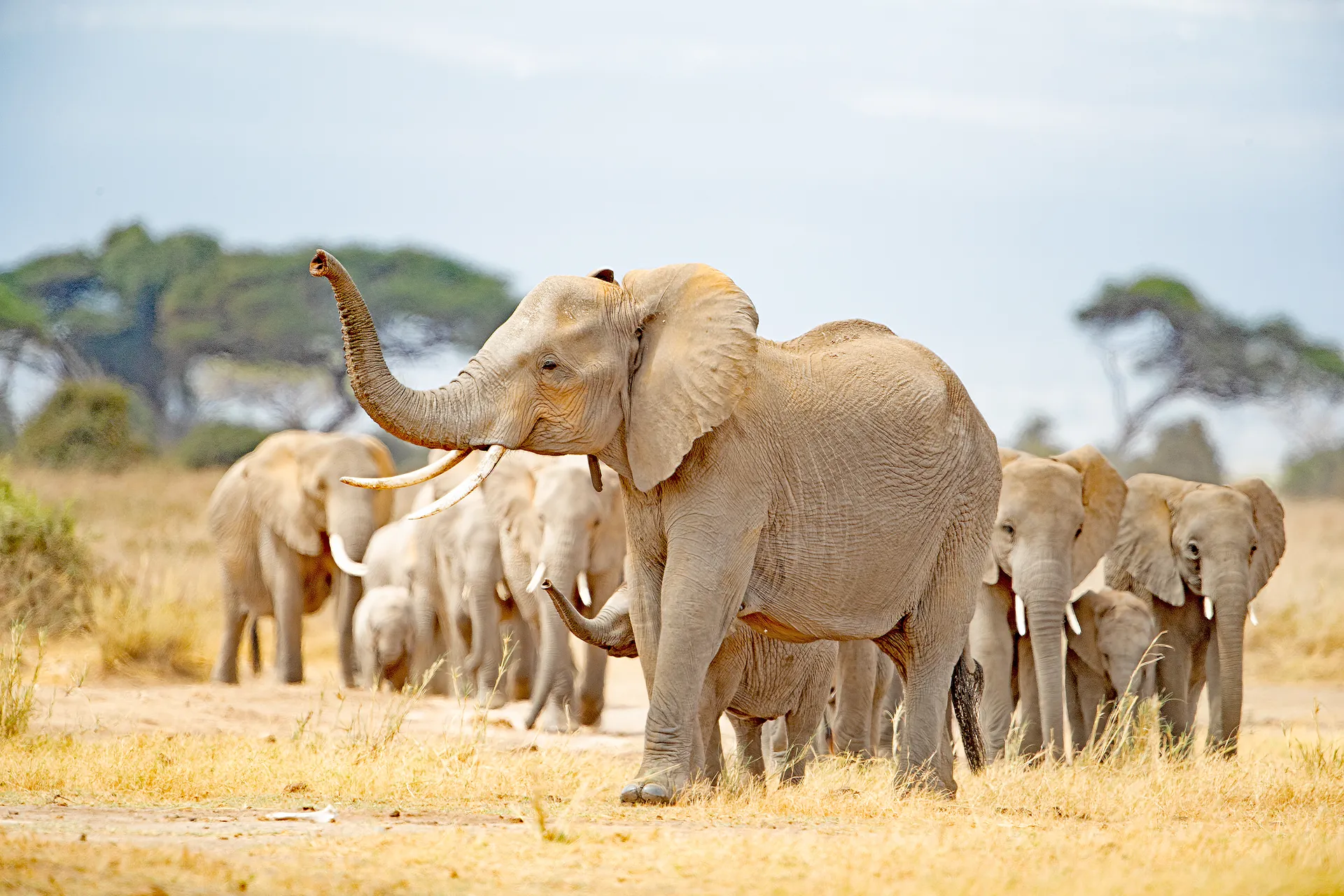
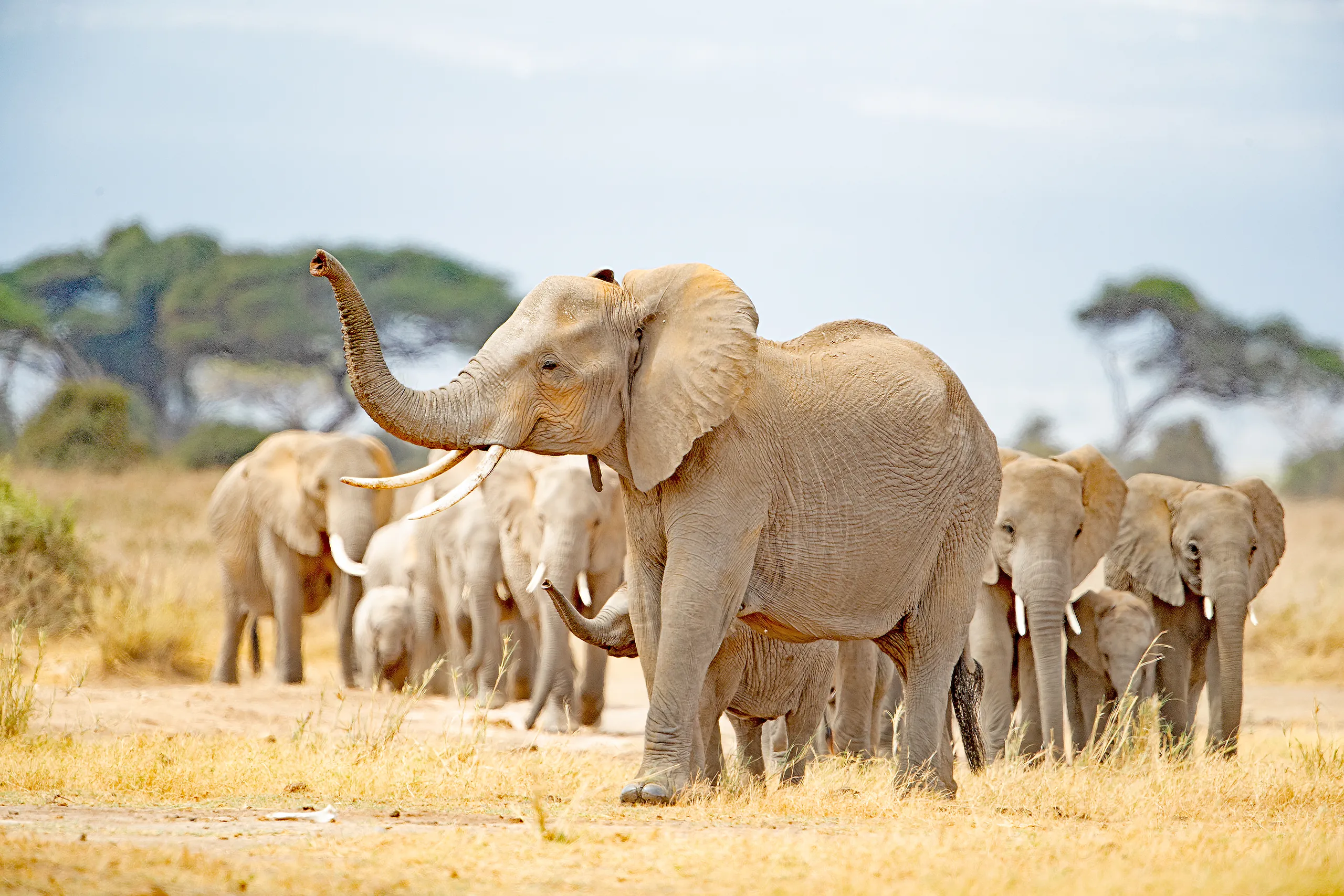
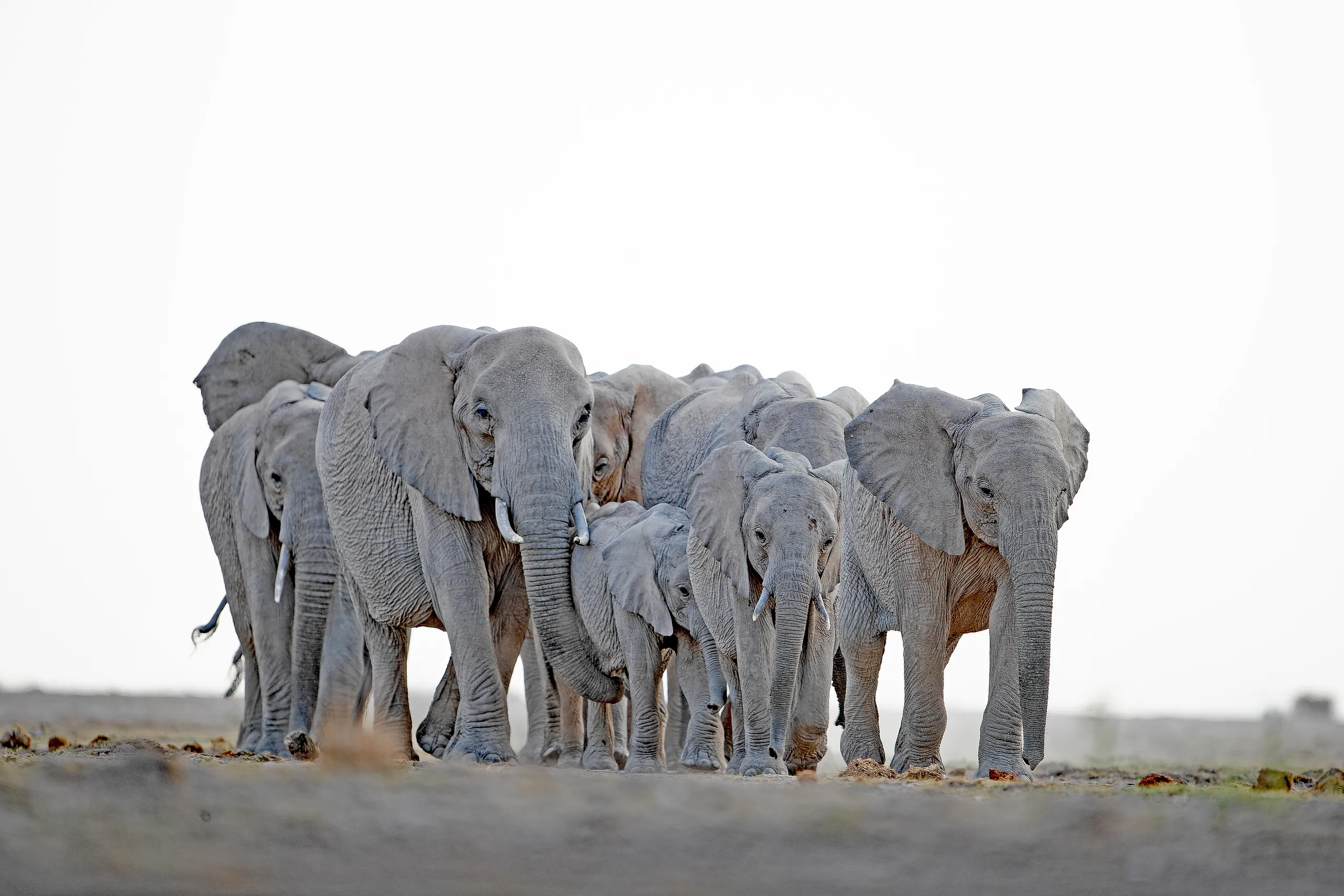
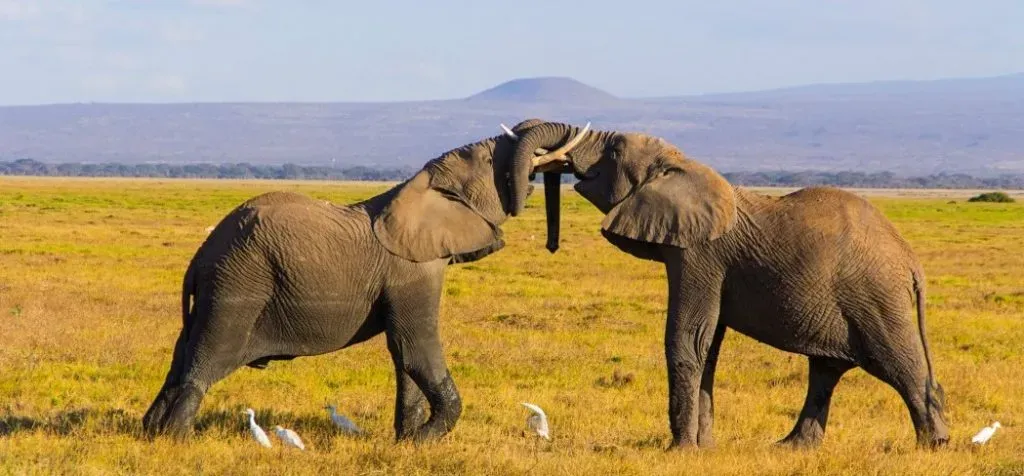
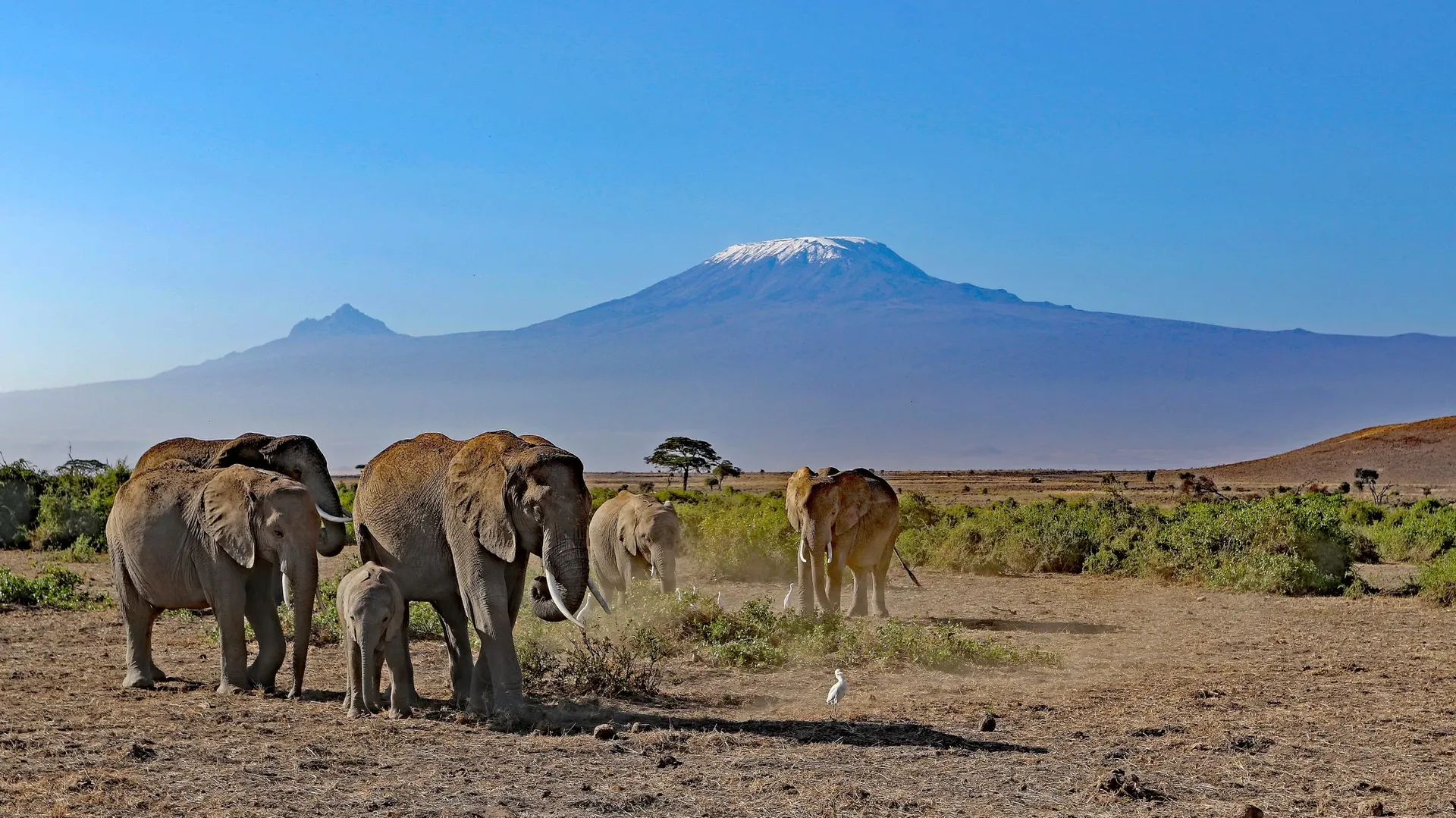
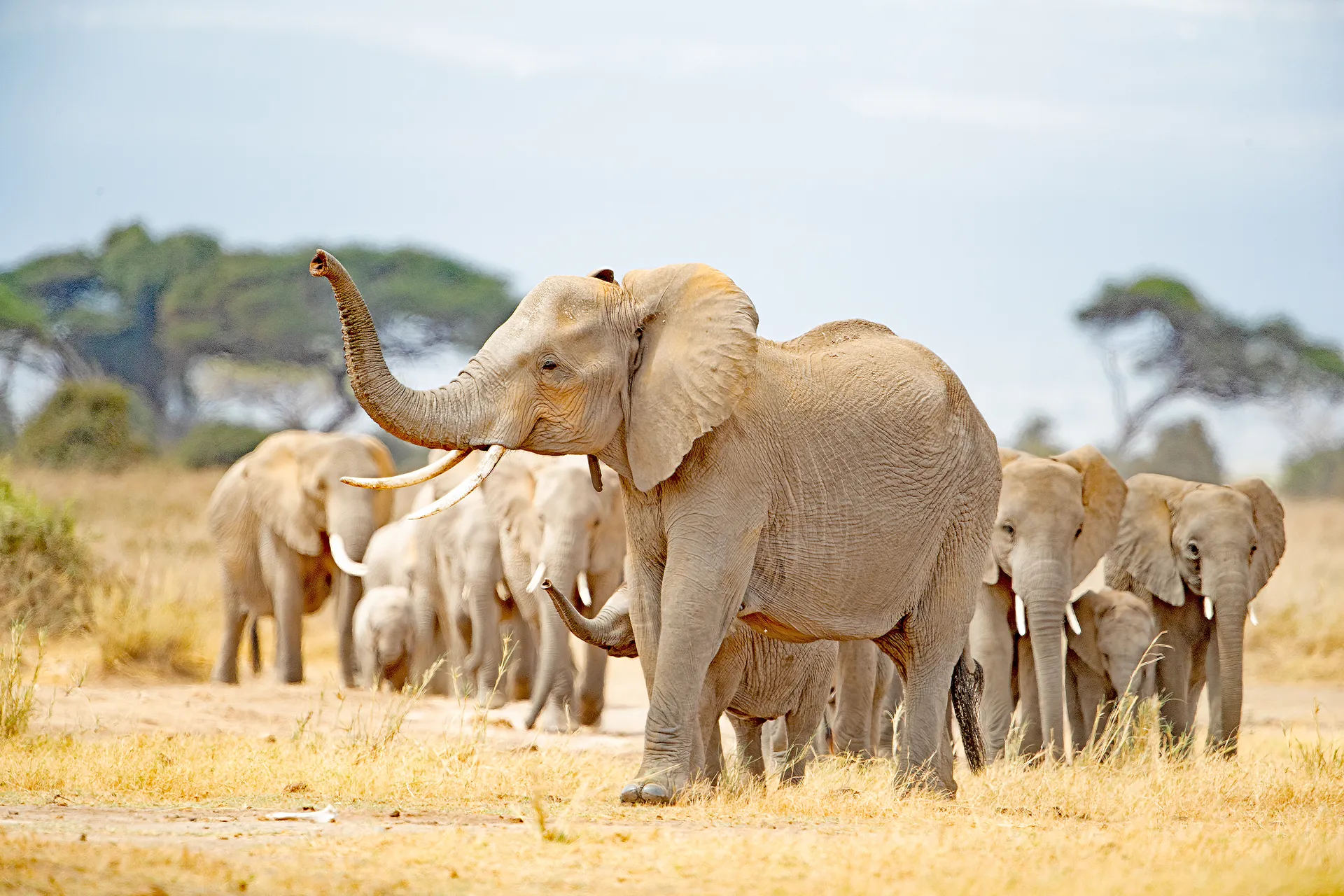
A herd of elephants walking across the savannah.

Elephants (2026). Updated February 13, 2026

Elephants: quick facts and conservation

Quick stats, species basics, the biggest threats, what works in conservation, and a photo library in one place.

Executive snapshot

The core story in 2026: African elephants are not one population. Treating Loxodonta cyclotis (forest) and Loxodonta africana (savanna) separately reveals a high-risk forest elephant stronghold in Central Africa, contrasted with relative numerical stability in parts of Southern Africa.

Primary sources: IUCN (forest elephants), IFAW (KAZA survey), IUCN Red List (Bornean).

Forest elephant (estimated)
~135,690
DNA-based survey estimate (95% CI: 99,343–172,297)
Gabon stronghold
~95,000
~70% of global forest elephants; ~95% in Central Africa
KAZA savanna elephants
~227,900
2023 synchronized aerial survey; broadly stable trend
Asian elephant (wild)
~48k–52k
13 range states; habitat compression is the limiting factor
Bornean elephant
~1,000
Genetically distinct unit; assessed Endangered (2024)
West Africa
<10,000
Fragmented pockets; conflict + enforcement constraints

Estimates vary by method, habitat, and survey year. Values here are presented as a practical dashboard for the 2025–2026 cycle.

Three living elephant species (and why the split matters)

Conservation strategy changes when the unit of management changes. The accepted taxonomic separation of African forest and savanna elephants clarifies risk: a numerically larger savanna species with major strongholds, and a forest species concentrated in a shrinking core.

African Savanna Elephant

Loxodonta africana

  • IUCN: Endangered (assessment accepted 2021)
  • Habitat: savannas, open woodlands, arid zones
  • Field cues: larger body, concave “saddle” back, outward-curving tusks, massive ears
African Forest Elephant

Loxodonta cyclotis

  • IUCN: Critically Endangered (2021)
  • Habitat: Congo Basin + West African forests
  • Field cues: smaller size, straighter downward tusks, rounded ears (forest-adapted)

Asian Elephant

Elephas maximus

  • Range: 13 countries across South + SE Asia
  • Field cues: one “finger” on trunk tip; smaller, rectangular ears; tusks mainly in males
  • Core issue: fragmentation—survival depends on space and corridors
Deep-time evolution (fast timeline)
  1. Moeritherium (37–35 MYA): semi-aquatic early proboscidean with a prehensile upper lip.
  2. Palaeomastodon: early jaw + tusk elongation and a trunk-like apparatus.
  3. Gomphotherium (20–10 MYA): widespread four-tusked lineage with a fully developed trunk.
  4. Primelephas (7–5 MYA): ancestor of Elephantidae; grass-adapted dentition.
  5. Modern split: Loxodonta diverged from the lineage leading to Elephas ~5–6 MYA.

Threat landscape (what’s actually driving decline)

Elephant threats are not uniform: forest poaching looks different from savanna poaching, and Asia’s crisis is dominated by habitat fragmentation and conflict along agricultural edges.

Illegal trade

  • Forest elephants: continued risk from ivory poaching in dense canopy systems.
  • Asia: emerging poaching pressure for skin in some regions (not only ivory).

Habitat + fragmentation

  • Linear infrastructure (roads/rail) increases mortality and isolates herds.
  • Smaller habitat patches amplify Human–Elephant Conflict (HEC) and retaliation.

HEC (conflict)

  • Crop raiding can erase a family’s annual harvest in a night.
  • Retaliation methods include poisoning, shooting, and improvised explosives.

Governance + security

  • Some remaining strongholds overlap regions where enforcement is constrained by insecurity.
  • Small, isolated populations risk genetic collapse even when poaching slows.

What's working in elephant conservation (2026)

Solutions increasingly combine tech, coexistence, and connectivity. The highest ROI often comes from reducing conflict, not only from enforcement.

Conservation tech

  • Thermal drones support night patrols and conflict response.
  • Acoustic monitoring + AI can flag gunshots or panic events for rapid response.
  • DNA forensics can trace seized ivory to source landscapes.

Coexistence tools

  • Beehive fences: reduce crop raiding while generating “elephant-friendly honey”.
  • Chili fences: capsaicin-based deterrence using elephants’ sensitive olfaction.
  • Corridor protection (“right of passage”) keeps migration off farms and roads.
Why elephants are climate-relevant (in one screen)

Elephants as climate engineers

  • Forest elephants can increase carbon storage by shaping tree communities (favoring high-wood-density species).
  • Modeling suggests elephant loss can reduce Central African rainforest aboveground carbon biomass by ~6–9%.
  • Seed dispersal over tens of kilometers supports forest resilience and genetic exchange.

Key reading: PNAS paper, IMF explainer.